
For James King, the connection between major sporting events and human trafficking goes back more than a decade, to when New Jersey was preparing to host Super Bowl XLVIII at MetLife Stadium.

For James King, the connection between major sporting events and human trafficking goes back more than a decade, to when New Jersey was preparing to host Super Bowl XLVIII at MetLife Stadium.
Appreciative of Pope Leo XIV’s Apology; Honoring St. Elizabeth Ann Seton; Praying for Diocese of Brooklyn Priests
Pope Leo XIV’s formal apology for the Holy See’s historical role in legitimizing or delaying condemnation of slavery invites us to repentance and renewed fidelity to the Gospel.
Speaking the truth (God’s truth) was never easy for prophets or apostles, and it hasn’t gotten any easier, not even for the pope!
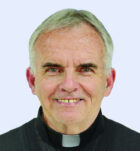
As our Church consecrates our country to the Sacred Heart of Jesus on its 250th anniversary, let us kneel together before our Lord, asking him to renew our commitment of love and to ask for his mercy.
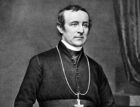
In the mid-1800s, Archbishop John Hughes, AKA “Dagger John” earned the reputation of an “intellectual pugilist” for pushing back against the anti-Catholicism in New York City. His efforts resulted in the parochial school system of today.
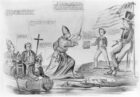
As this story looks at the history of religious freedom for Catholics in the U.S., it’s important to note that the anti-Catholic views of the earliest settlers informed the anti-Catholic undercurrents that have existed throughout the nation’s history.

The second day of public sessions at the U.S. bishops’ spring plenary culminated with the much anticipated consecration of the United States to the Sacred Heart of Jesus during a late afternoon Mass June 11 at the Basilica of the National Shrine of Mary, Queen of the Universe.

From June 11 through July 19, soccer — or what most of the world calls football — takes over the international sports scene. Lucky for us, this year’s tournament takes place right here in the Americas, with matches being held in 16 host cities across the U.S., Canada, and Mexico.
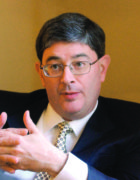
It’s probably fair to say that John Paul II began his papacy with an impression of American Catholicism not dissimilar from that of other European intellectuals: The U.S. Church had an enviable network of institutions — ranging from parishes to health care and social service facilities to schools, colleges, and universities — but the Church was more wealthy than cultured and lived too comfortably within the American status quo.