
In the mid-1800s, Archbishop John Hughes, AKA “Dagger John” earned the reputation of an “intellectual pugilist” for pushing back against the anti-Catholicism in New York City. His efforts resulted in the parochial school system of today.
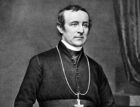
In the mid-1800s, Archbishop John Hughes, AKA “Dagger John” earned the reputation of an “intellectual pugilist” for pushing back against the anti-Catholicism in New York City. His efforts resulted in the parochial school system of today.
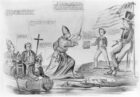
As this story looks at the history of religious freedom for Catholics in the U.S., it’s important to note that the anti-Catholic views of the earliest settlers informed the anti-Catholic undercurrents that have existed throughout the nation’s history.
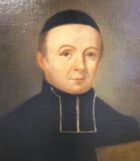
Jesuit missionaries, like Father Ferdinand Farmer, rode horseback deep into the colonial frontier to celebrate Mass with isolated pockets of Catholics. But because of entrenched anti-Catholic laws, they had to be secret about it.
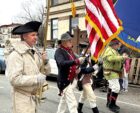
Had it not been for the sacrifice of the “Maryland 400” — many of them Catholic — the American Revolution could have been lost at the Battle of Brooklyn.
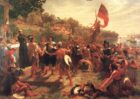
The harsh treatment of colonial Catholics in the 17th and 18th centuries stemmed from the Protestant Reformation starting 1517 in Europe. But that began to change during the American Revolution.
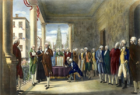
George Washington, an American Revolution military hero and the nation’s first president, seldom mentioned the Lord Jesus Christ in speeches, conversations, or writings. Yet Washington, “The Father of His Country,” often talked and wrote about “providence” — that guiding and protective care of a creator God.
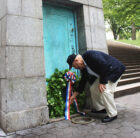
Dog walkers, joggers, and a wedding party swarmed about the Prison Ship Martyrs’ Monument at Fort Greene Park one recent weekend afternoon, perhaps unaware that entombed beneath them lay thousands of American prisoners from the Revolutionary War.