

DOWNTOWN BROOKLYN — The original 13 colonies were overwhelmingly Protestant, said Father Anthony Andreassi of Brooklyn, a historian of the Church in the Americas.
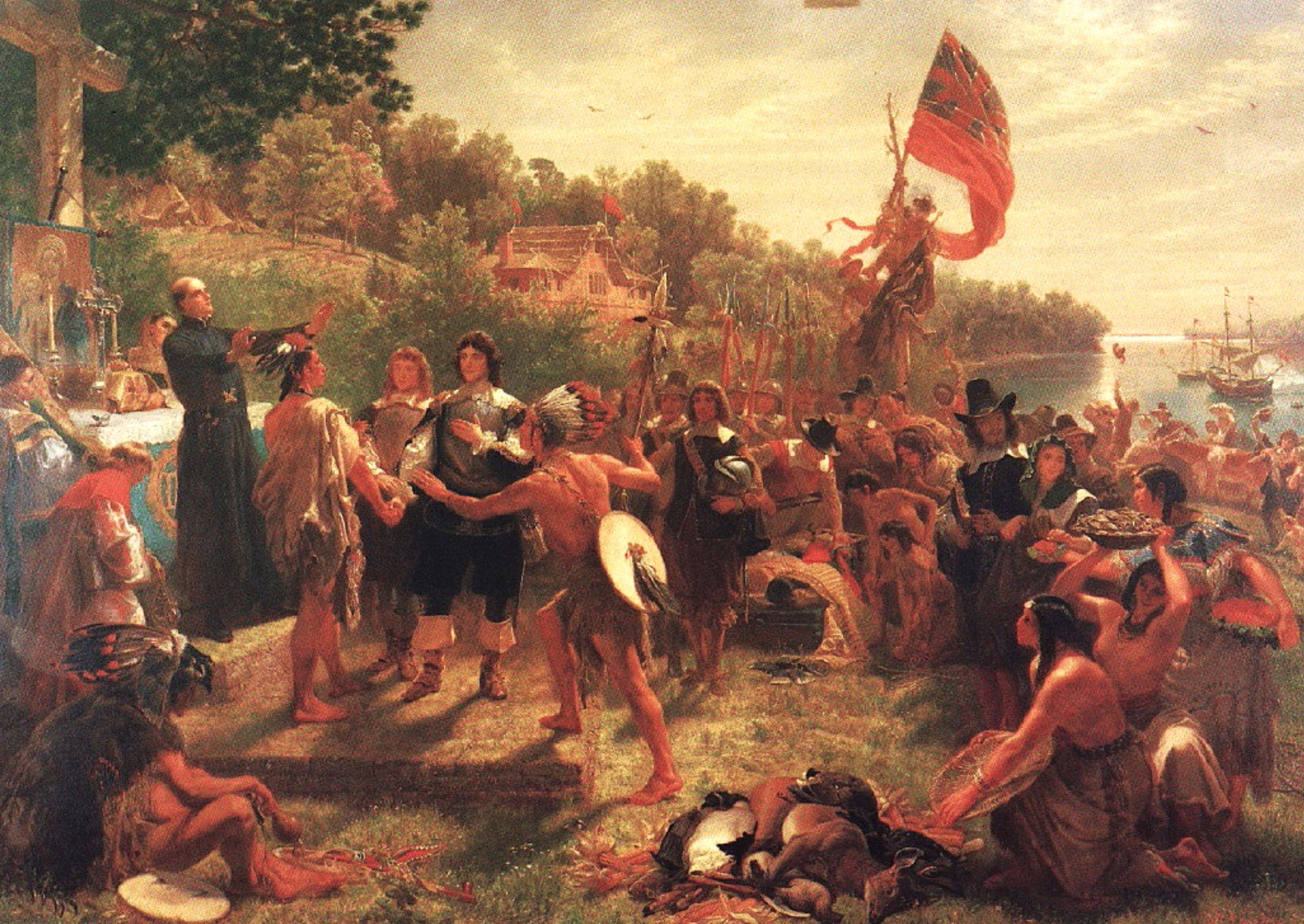
Maryland, founded in 1634, was designated as a colony where Catholics could settle, but Protestants still dominated it economically and politically, a pattern that continued through the American Revolution.
“There were lots of times through the previous two and a half centuries when there was violence against Catholics,” Father Andreassi said. “There was discrimination enshrined in the law. There were chapels in Maryland, but they were technically private chapels on private land. There were no public churches.”
Father Andreassi is a priest of the Brooklyn Oratory of St. Philip Neri. As such, he serves as administrative vicar for the Oratory parishes of Assumption and St. Boniface in Downtown Brooklyn.
He also earned a doctorate in history from Georgetown University, focusing on Catholicism in America. Lately, he has been writing about that topic a lot during the ramp-up to America’s 250th birthday on July 4.
Father Andreassi explained that the harsh treatment of colonial Catholics in the 17th and 18th centuries stemmed from the Protestant Reformation starting 1517 in Europe.
Protestantism took hold in England and, by extension, its 13 colonies stretching from New Hampshire to Georgia, including New York.
Father Andreassi described how colonists routinely celebrated “Guy Fawkes Day” to honor the foiling of the pro-Catholic “Gunpowder Plot” of 1605, which sought to overthrow the king.
Fawkes participated in the plot, and he was executed. New Englanders, like the British, would burn Fawkes and the Pope in effigy.
RELATED: Exploring Catholic History In Pennsylvania, N.Y., & N.J.
“The only Catholics up there might have been some French Canadians,” Father Andreassi said. “There are a few examples of some Native Americans converted by French missionaries, but they’re all extremely solitary.”
Still, Father Andreassi added, the faith made a few advances in the “New World.”
In 1664, King Charles II gave the New York colony to his brother James, the Duke of York — and future King James II — who became Catholic in 1672. Thirteen years later, a Jesuit celebrated the first Mass in New York near the Alexander Hamilton Custom House in present-day Battery Park.
But King James II was dethroned in the “Glorious Revolution of 1688.” The new monarch favored Protestantism and nullified Catholic advances throughout the empire, including in New York, Father Andreassi said.
For another 100 years, Mass in the colonies was celebrated in secrecy, usually by priests traveling in disguise to Catholic homes and the private chapels.
But the Revolution brought change.
RELATED: American Saints Validate Catholic Presence in U.S., Historian Says
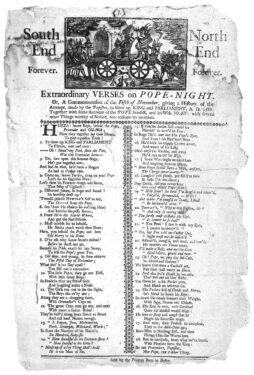
In 1775, Gen. George Washington hoped to make allies out of French Canadians and the government in France, both predominantly Catholic. To that end, he outlawed Guy Fawkes Day rituals among his troops.
A year later, Catholics from Maryland joined rebel forces in droves. Although biographies are hard to pin down, many of the so-called “Maryland 400” are believed to have been Catholic.
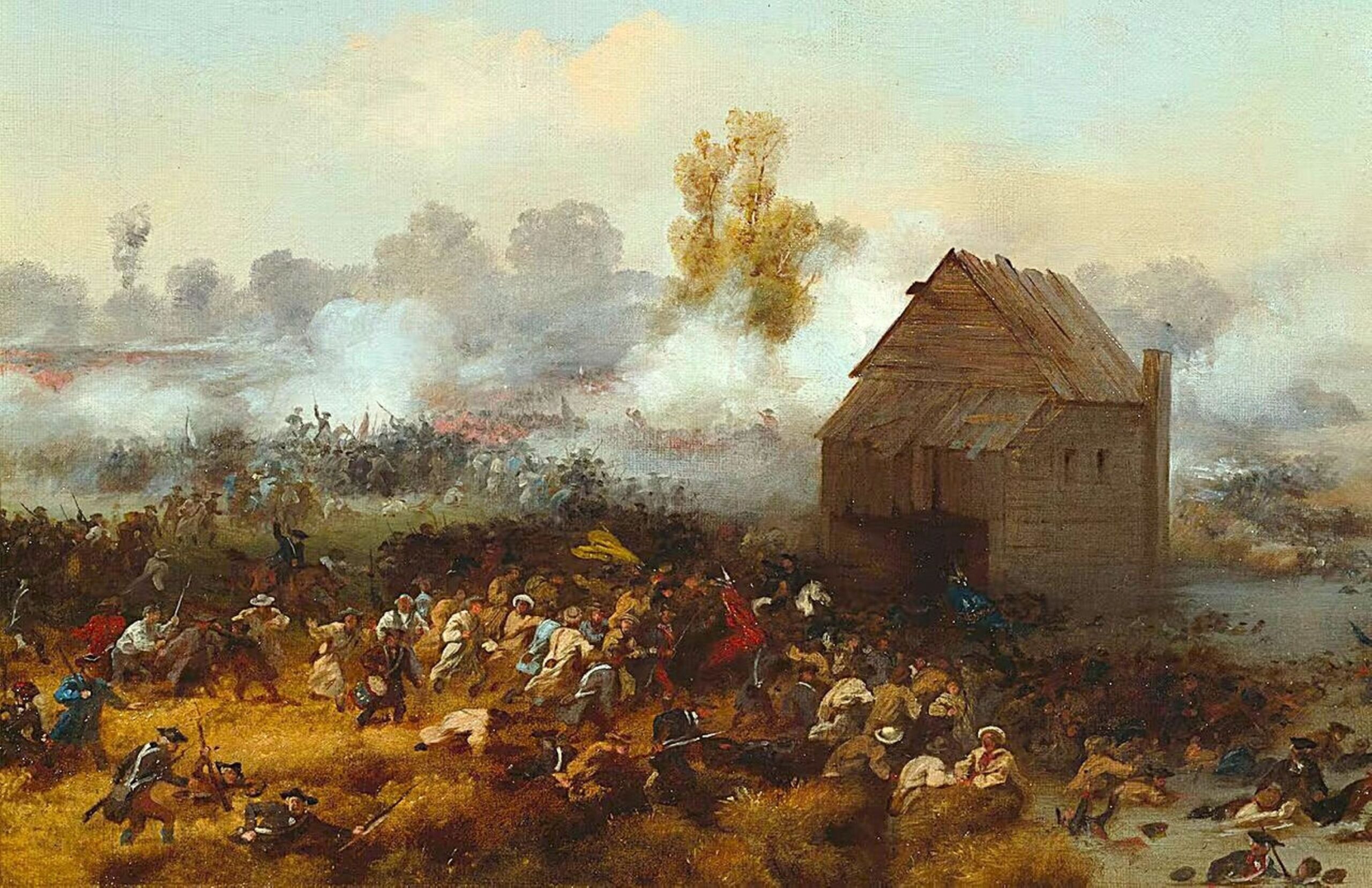
Most were killed or taken prisoner during the Battle of Brooklyn, but first they pressed a rear-guard diversion for Washington to evacuate his army and keep the Revolution going.
RELATED: ‘This is Sacred Ground’: Event Pays Tribute to The First POWs
After the war, Washington, as the nation’s first president, took another major step in 1790 to quell anti-Catholicism.
It came in his response to a congratulatory letter from John Carroll, the first bishop of Baltimore, which was the first Catholic diocese in the United States. The new bishop’s cousin was Charles Carroll, Maryland’s first senator and the only Catholic signatory of the Declaration of Independence.
In the response, Washington wrote, “Your fellow citizens will not forget the patriotic part which you took in the accomplishment of their Revolution, and the establishment of their government: or the important assistance which they received from a nation in which the Roman Catholic faith is professed.”
A year later, Washington was a driving force in the ratification of the Bill of Rights, which declared religious freedom as an inherent right throughout the land.
RELATED: Thanksgiving & Tolerance | Washington’s Support for Early American Catholics
The Catholic faith grew.
For example, 31 years later, in 1822, St. James — now the Cathedral Basilica of St. James — became the first Catholic parish on Long Island. It received its cathedral status in 1853 when it was made the seat of the newly formed Diocese of Brooklyn.
Our Lady of Mount Carmel Parish in Astoria, founded in 1841, is believed to be the oldest parish in Queens County.
Father Andreassi said colonial Catholic courage helped spur growth, noting that laws passed by Maryland’s government, like the “Maryland Toleration Act of 1649,” influenced the Bill of Rights.
“I would say that the spirit of freedom of religion, which is enshrined in the Bill of Rights, largely helped us to grow to where we are now,” he said.