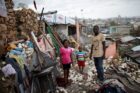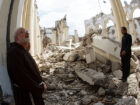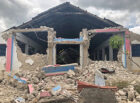
A 7.0 magnitude earthquake strikes 15 miles southwest of the capital of Port-au-Prince, killing over 300,000 people, destroying more than 250,000 homes and 30,000 commercial buildings, and causing over $8 billion in damage.
Marcus Garcia was about to record an editorial at his Port-au-Prince radio station on Jan. 12, 2010, when the ground began to shake. It stopped moments later. Having never experienced an earthquake before, he thought that was it.
The 30,000 Haitian refugees who surged across the U.S.-Mexico border last summer fled an earthquake back home, but not the one that hit their homeland a few weeks earlier. The plight of these people actually began on Jan. 12, 2010 following an even more devastating quake near Port-au-Prince.
For Haitian Americans and immigrants, Jan. 12 is a solemn day of remembrance.
On New Year’s Day, Bishop Robert Brennan urged Haitian Catholics to keep embracing the Scriptures’ enduring messages of peace and joy.
A Haitian gang has released three more of the hostages it kidnapped from Christian Aid Ministries, while 12 remaining representatives of the Ohio-based missionary group approach the third month of their captivity.
Two of the 17 Christian missionaries kidnapped by gang members in Haiti in October were set free over the weekend, leaders of their Ohio-based organization announced.
Pope Francis called on world leaders to aid the people of Haiti as the country continues to descend into chaos due to widespread violence, economic instability and natural disasters.
Haiti never stops dying. It’s the sad truth. The people in the streets say this, and according to my little experience in Haiti as a Catholic priest, Haiti is dying.
Bishop Pierre André Dumas in Haiti urged the gang that kidnapped 17 people from an Ohio mission group to release them immediately.