
In a 6-3 vote June 30, the Supreme Court ruled in favor of a Colorado web designer who doesn’t want to design wedding websites for same-sex couples because it goes against her religious beliefs.

In a 6-3 vote June 30, the Supreme Court ruled in favor of a Colorado web designer who doesn’t want to design wedding websites for same-sex couples because it goes against her religious beliefs.
In a unanimous decision June 29, the Supreme Court sided with a Christian mail carrier who had been required to work Sundays for the U.S. Postal Service against his religious beliefs that the day was one of worship and rest.
The U.S. Supreme Court said April 14 it would temporarily keep in place status quo federal regulations regarding the use of an abortion drug, giving the court additional time to consider a lower court’s ruling to stay the U.S. Food and Drug Administration’s approval of the drug.
The Supreme Court on April 6 declined to take up a request by West Virginia to allow it to enforce its 2021 law banning transgender girls from playing on girls’ sport teams in public high schools and colleges while a challenge to that law remains in the lower courts.

U.S. bishops reacted to the Supreme Court overturning Roe v. Wade with appreciation for the decision, combined with an emphasis on the long road and important work ahead in terms of support, advocacy, and dialogue with abortion supporters.
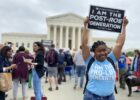
Sherif Girgis said he felt “kind of a gut punch” after the draft of a Supreme Court majority decision was leaked late on May 2. The former law clerk at the nation’s high court couldn’t believe what he called an “astonishing and appalling” move by the leaker.
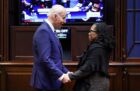
In a 53-47 vote, the U.S. Senate April 7 confirmed Judge Ketanji Brown Jackson to the Supreme Court, making her the first Black woman to fill that role.

Under gray skies March 30, a group of faith leaders assembled on the Supreme Court’s steps to show their support for Judge Ketanji Brown Jackson’s nomination to the Supreme Court and urge the Senate to quickly vote to confirm her.
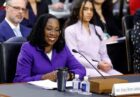
The confirmation hearings for Supreme Court nominee Judge Ketanji Brown Jackson began with introductory remarks March 21 followed by 13 hours of questioning the next day about her role as a judge and a public defender and her views on abortion, critical race theory and her own faith.

U.S. Supreme Court Associate Justice Amy Coney Barrett said her Catholic education helped her develop a passion for reading that served as a launching pad for her future endeavors as a law student, attorney, law professor and judge.