
The U.S. Supreme Court heard oral arguments April 18 about a former postal worker who was forced to work Sundays against his religious beliefs.
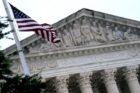
The U.S. Supreme Court heard oral arguments April 18 about a former postal worker who was forced to work Sundays against his religious beliefs.
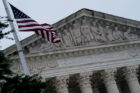
The U.S. Supreme Court said April 14 it would temporarily keep in place status quo federal regulations regarding the use of an abortion drug, giving the court additional time to consider a lower court’s ruling to stay the U.S. Food and Drug Administration’s approval of the drug.
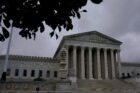
The Supreme Court on April 6 declined to take up a request by West Virginia to allow it to enforce its 2021 law banning transgender girls from playing on girls’ sport teams in public high schools and colleges while a challenge to that law remains in the lower courts.

Joseph Kennedy, a high school assistant football coach who was placed on leave eight years ago for praying on the field with players after games, won a nearly $2 million settlement and has been reinstated to his former coaching role at Bremerton High School, outside of Seattle.
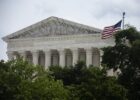
The U.S. Supreme Court said on March 6 that it would not weigh in on a dispute between city officials of Ocala, Florida, and atheists who are suing the city. The lawsuit claims that a 2014 prayer vigil in Ocala — held after a series of drive-by shootings — violated the First Amendment.
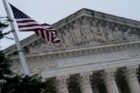
The leaders of two U.S. bishops’ committees sent a letter of support on March 3 to congressional leaders who have introduced legislation to ban transgender athletes from competing in girls’ and women’s team sports.
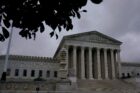
The U.S. Supreme Court will take up a case about religious accommodation this spring when it examines an appeal by a former postal worker who was forced to work Sundays delivering Amazon packages.

In a case examining the scope of free speech protected by the First Amendment, the Supreme Court Dec. 5 ultimately seemed to favor a broad view of free speech.
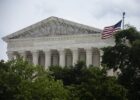
The Supreme Court begins its new term Oct. 3, jumping right back into the fray with cases that take on affirmative action, voting, immigration, the environment and freedom of speech.
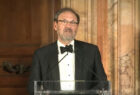
In his first public comments since the U.S. Supreme Court overturned its nearly 50-year-old decision that legalized abortion, Justice Samuel Alito said writing the ruling was an “honor.”