
The International Monetary Fund on Aug. 23 withheld $455 million in emergency COVID-19 relief funding from Afghanistan after the Taliban’s takeover of the country forced the organization to withhold its recognition of the Afghan government.
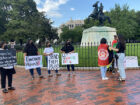
The International Monetary Fund on Aug. 23 withheld $455 million in emergency COVID-19 relief funding from Afghanistan after the Taliban’s takeover of the country forced the organization to withhold its recognition of the Afghan government.
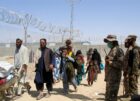
There are an estimated 200 Catholics in Afghanistan — a tiny minority within the minority of around 7,000 Christians — and days after the Taliban took control of the country following the withdrawal of U.S. troops, a papal charity is sounding the alarm over their situation.
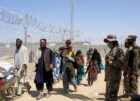
Caritas Pakistan has alerted its diocesan units bordering neighboring Afghanistan to help refugees fleeing the Taliban’s takeover of the country, reported ucanews.com. Thousands of Afghans have entered Pakistan via the Chaman border crossing, one of the most active trade and travel routes between the countries, according to media reports.
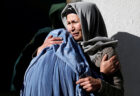
As the Taliban reclaim power over Afghanistan, a question in the mind of many rank and file Catholics is how can they help. Yet the situation is still so convoluted, even Caritas Internationalis, the largest network of Catholic charities is grappling to answer the same question.
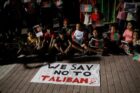
Caritas Italy announced the suspension of charitable activities in Afghanistan in the wake of the Taliban’s takeover of the country.
The U.S. bishops’ conference emphasized the need for the U.S. government to work quickly to achieve its goal of relocating 30,000 special immigrant visa applicants from Afghanistan because it’s a “monumental task that hangs in the balance.”
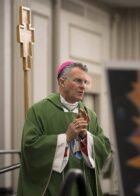
The “human dignity” of Afghanistan’s people “must be respected” amid the chaos in the country, the head of the U.S. Archdiocese for the Military Services said Aug. 17.
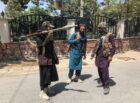
Hours before the Taliban took control of Afghanistan’s capital, Kabul, Pope Francis expressed his hope for the peace and safety of the country’s citizens.
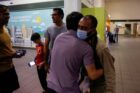
When U.S. service members were in a foreign land, unsure of the way and unable to speak the language, brave locals came to their assistance. Now, the Afghans who served as interpreters and guides for the U.S. military need help adjusting to a new country. Six diocesan Catholic Charities staffers have been working with the new arrivals at Fort Lee, including Hekmatullah Latifi, who came to the United States with his wife and children on a special immigrant visa in 2016.
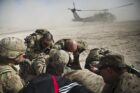
The U.S. Conference of Catholic Bishops and its Migration and Refugee Services “are proud to have the opportunity to welcome and assist those who have kept Americans safe in Afghanistan,” said the USCCB president and the chairman of the bishops’ migration committee July 30.