
Jimmy Dennedy, a private investigator and lifelong Catholic, said he was never scared in the 1970s as a New York Police Department officer walking the beat in the Bedford-Stuyvesant neighborhood of Brooklyn.
Nor was he worried during the 1980s as a narcotics detective serving on a joint task force of police and federal agents.
Still, Dennedy survived multiple shootouts, like one beneath the Brooklyn Bridge in the borough’s Dumbo neighborhood, when an undercover member of the task force was held up by gunmen.
“They fired around 20 shots, and we fired around 30,” he said. “It was nuts, just nuts. My poor wife.”
For this incident, Dennedy earned the NYPD’s Combat Cross for exceptional courage and bravery during armed confrontations.
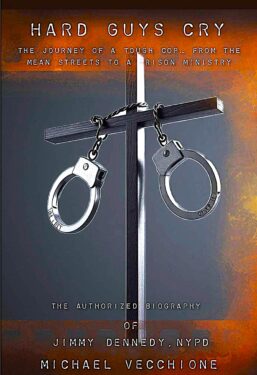
This anecdote is one of many that fill the retired cop’s authorized biography, “Hard Guys Cry: The Journey of a Tough Cop … From the Mean Streets of Brooklyn to a Prison Ministry.”
Its author, Mike Vecchione, a longtime Brooklyn prosecutor, describes Dennedy as quick to act and quick to punch when dealing with combative suspects.
But this story isn’t just about shootouts, aggressive interrogations, and disciplinary actions, which Dennedy faced many of over his 20 years with the NYPD.
The book also tells how, in 1996, he pivoted from being a tough cop to a volunteer with the interdenominational Kairos Prison Ministry.
For the next 25 years, he shared the love of Christ with incarcerated people, including thieves, rapists, and even murderers.
But to do that, Dennedy had to soften his heart, which took some work — and prayer.
Grandfather’s Footsteps
Dennedy, who was born in 1948 in Borough Park, grew up in nearby Sunset Park, where his Irish family belonged to St. Agatha Parish.
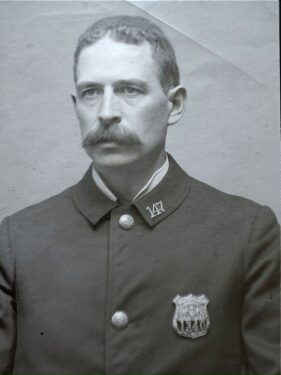
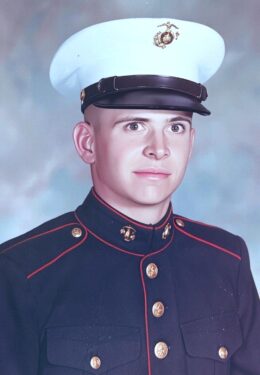
As the grandson of an NYPD officer, Dennedy toughened while learning to box, playing roller hockey, and serving in the U.S. Marine Corps after graduating from the since-closed St. Augustine High School.
It was 1967, and a lot of Marines were shipping out to Vietnam. Dennedy figured he would too, but the Corps kept him in Okinawa, Japan.
After his enlistment, he worked a brief stint as a merchant seaman. Next, he returned home to join the NYPD, following in the footsteps of his grandfather, Patrick Dennedy, who joined the department in 1903.
Rife with Crime
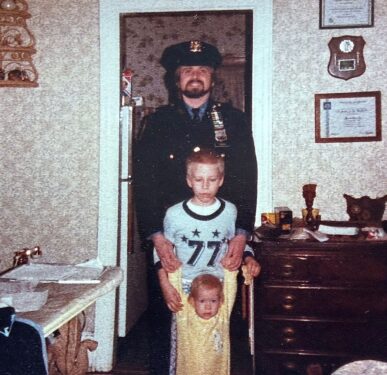
In 1971, Dennedy was a brand-new patrol officer assigned to walk the beat in Bed-Stuy, which was poverty-stricken and rife with crime. Police throughout New York City were targets of violence.
On April 2, 1978, two of Dennedy’s fellow officers in Bed-Stuy — Christie Masone and Norman Cerullo — were killed in a shootout with a member of the militant Black Liberation Army.
Dennedy helped arrest the suspect, Cleveland Davis, who was also one of the instigators of the Attica Prison Riot in September 1971, but was pardoned in 1976.
Officer Cerullo, before he died, had shot Davis in the leg. Davis was found later in a wrecked car.
Dennedy, who was at the scene, asked a first responder to remove Davis’s leg bandage. He wanted to see if the wound was from a police handgun. When the medic refused, Dennedy tore off the bandage himself, he said.
Later, in the ambulance, Dennedy said, Davis tried to get his gun.
“We were fighting for the gun,” Dennedy recalled. “The next thing you know, necessary force was used to subdue him, and that was that.”
Davis, who had a fractured face and head, accused Dennedy of attempted murder, but no charges resulted.
Prosecutors, meanwhile, tried three times to convict Davis for killing Masone and Cerullo, but each time resulted in a hung jury. He died in 2017.
Friends for 46 Years
Leading the third prosecution was Vecchione, who badly wanted to win a conviction for the slain officers, their families, and fellow cops like Dennedy.
When that didn’t happen, he wept, Vecchione said.
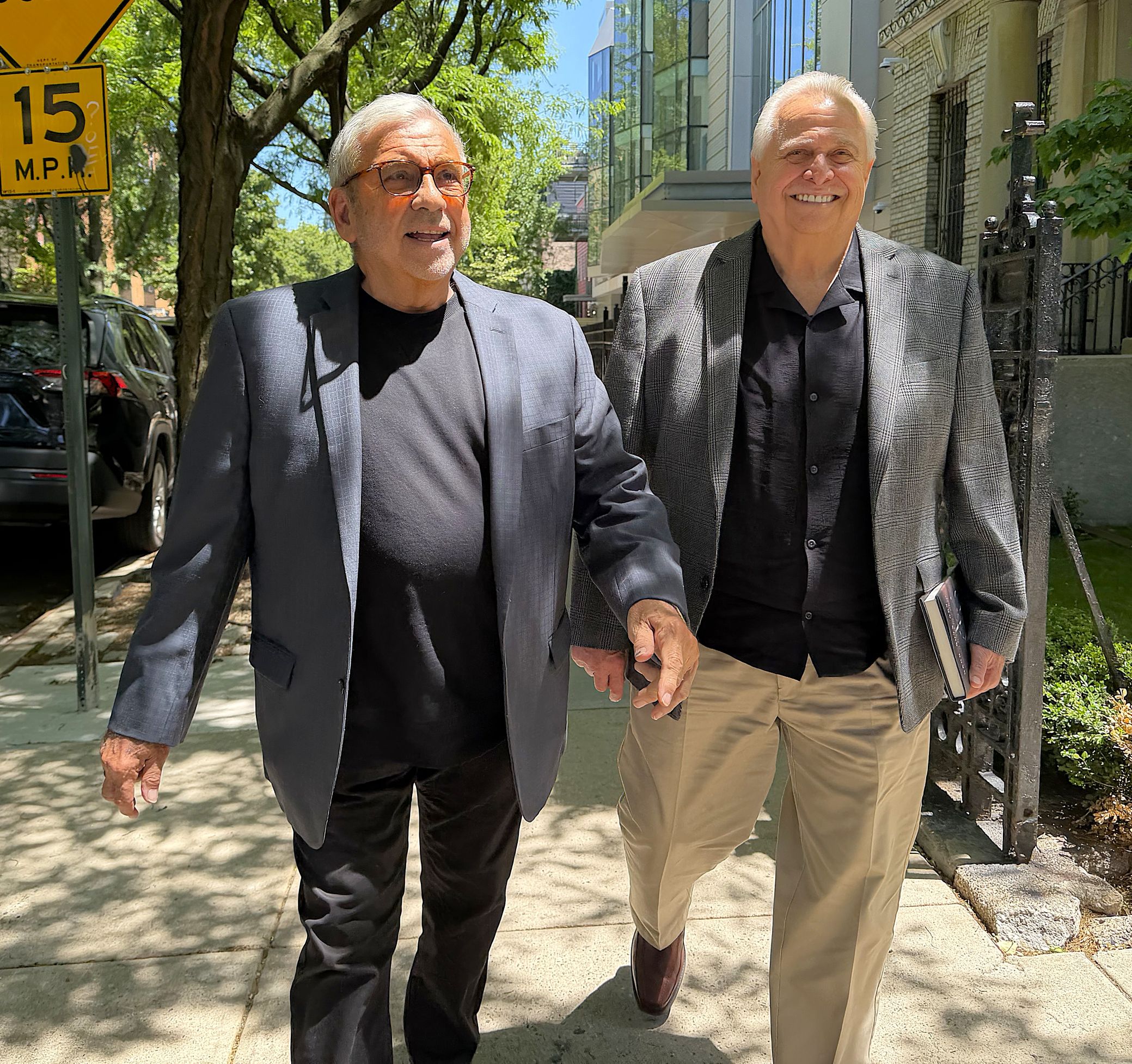
Still, the lawyer-turned-author and Dennedy have remained friends since then.
“It was a horrific, horrific ending,” Vecchione said of the acquittal. “But what came out of it was a friendship that has now lasted for 46 years.”
Vecchione grew up in Prospect Heights, and his family belonged to St. Teresa of Avila Parish. He attended nearby Bishop Loughlin High School, received a history degree from St. John’s University, and a law degree from Hofstra.
He has written numerous true-crime books and a novel.
In telling Dennedy’s story, Vecchione recounts how the detective served on a joint terrorism task force before retiring in 1996 and moving to Orange County with his wife, Norleen.
The couple opened a furniture restoration service and operated a hot dog stand. Later, Dennedy opened his private investigator office in Goshen.
RELATED: NYPD Academy to Be Renamed for Late Det. Steven McDonald
But Dennedy, who was never afraid on the job, said a brush with cancer scared him.
He survived again, but questioned his spiritual life and how he might be of service to others.
Still, he was reluctant to accept an invitation to a weekend retreat through the Catholic Cursillo Movement. He thought it was just for “holy rollers,” but he went and found it surprisingly “life-changing.”
Without Contempt
Dennedy drew deeper to God, studied Church history, and attended Mass regularly. He also helped his local parish host monthly Eucharistic Adoration.
Next, friends from the Cursillo Movement invited him to volunteer with a different group, the Kairos Prison Ministry.
Dennedy, however, believed he couldn’t be around prisoners without feeling contempt for them.
“I really didn’t want to go into prison to talk to guys who were like the ones I locked up for 20 years,” Dennedy said. “But I went, and it was eye-opening.”
As God Sees Them
Dennedy volunteered at Otisville federal prison and Shawangunk state prison, and it was rough at first, sitting in a large circle with prisoners.
When called upon, he was asked to introduce himself and share his background. Inmates booed Dennedy when he told them he was a retired NYPD narcotics detective. But the Cursillo and Kairos programs had taught him the blessings of trying to see people as God sees them.
“Christ is incognito, so the art is to see him in them, and for themselves to see that the Lord is in them as well,” Dennedy said. “It made me a better Catholic, a better person, and able to help people, because some of them can’t get out of their own way.”
Inspiration
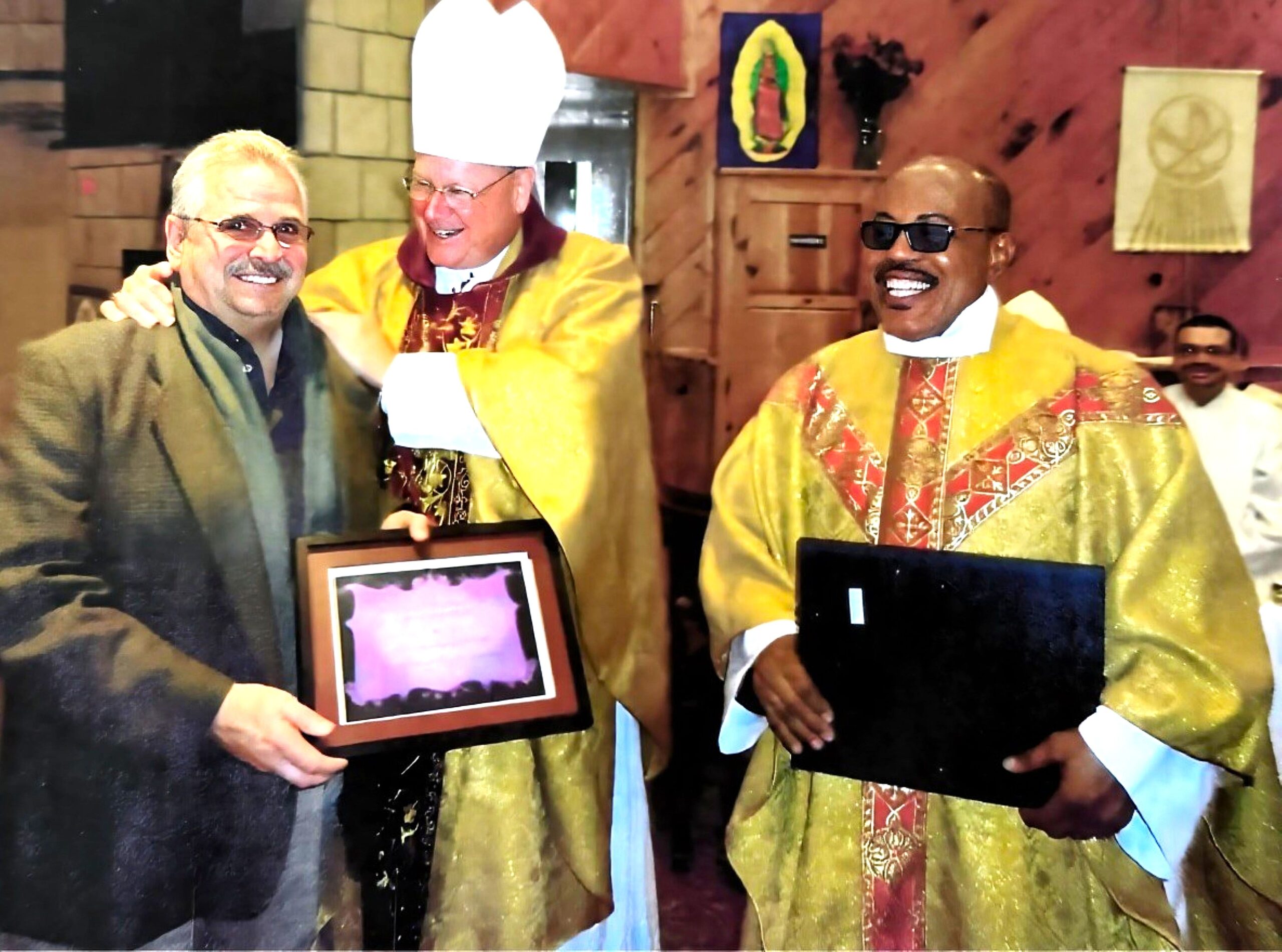
Dennedy has received several honors for his volunteer work in prison ministry, which came to a close for him during the pandemic.
Still, his example is inspirational, including to people not in prison.
“After hearing this story and telling this story, I went back to church and made a full confession,” Vecchione said. “With Jimmy as my inspiration, I got my spiritual life back on track.
“The peace that it has brought me has changed my life forever.”