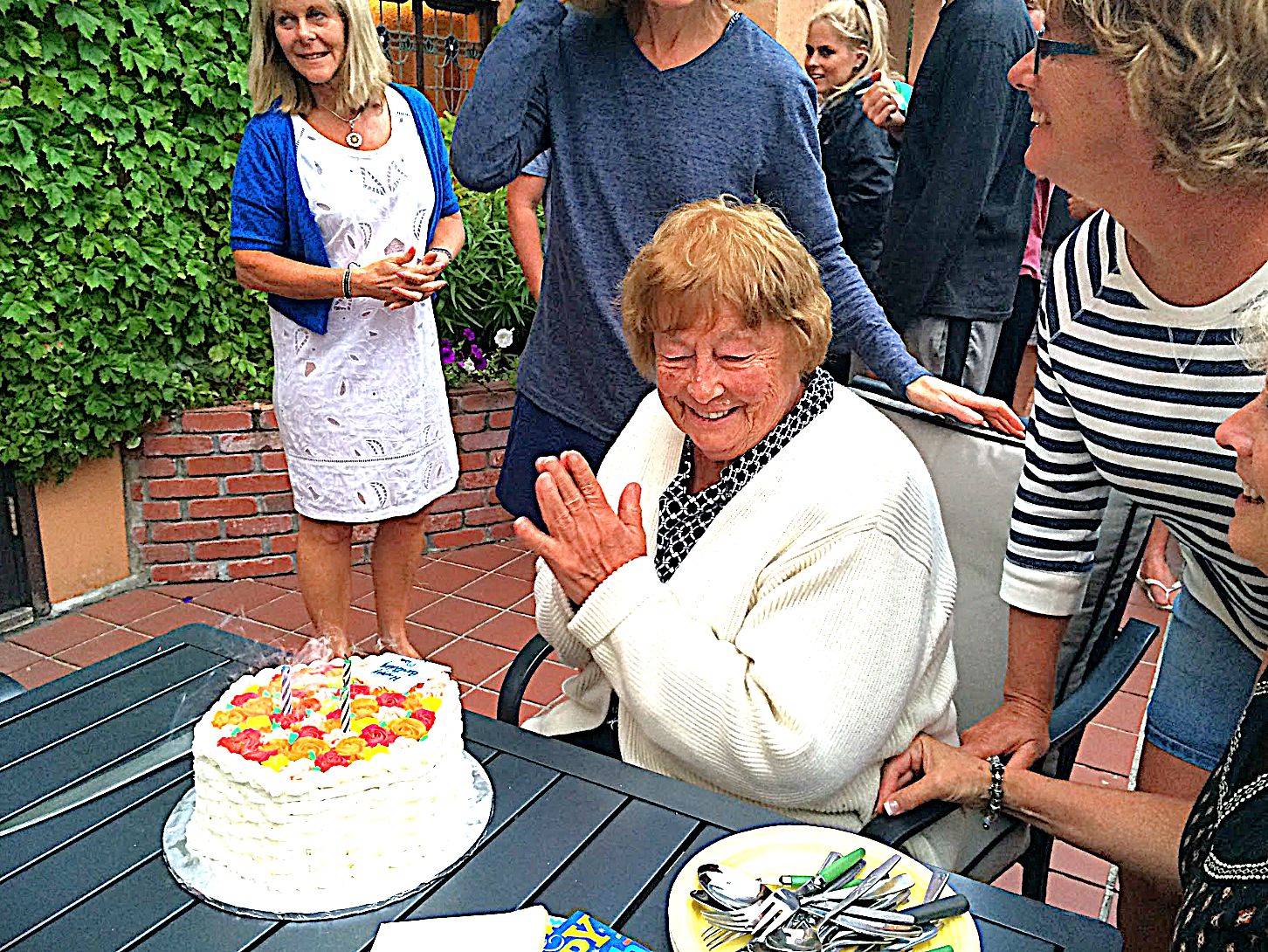
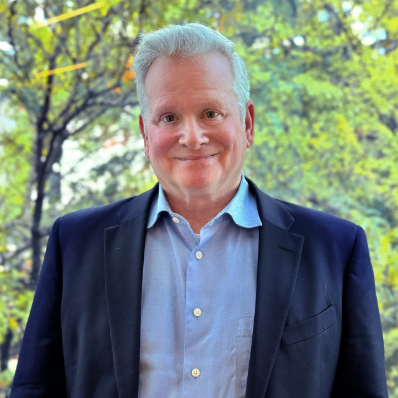

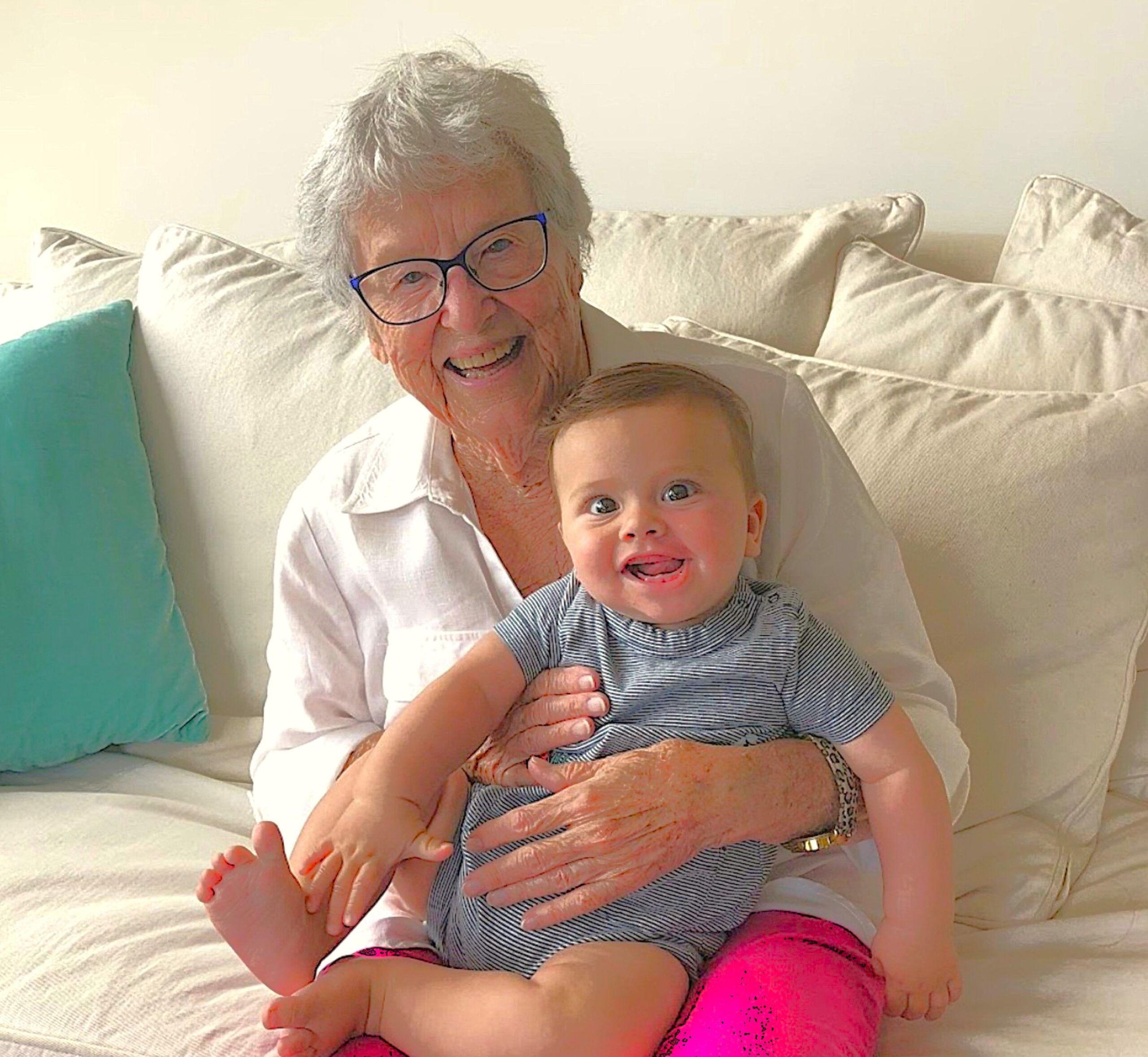
In 2022, Benjamin Turland’s grandmothers, both living in Western British Columbia, Canada, were very ill.
Having reached advanced ages, Jaqueline Trafford, 89, and Mary Turland, 96, endured constant pain and hospitalization for age-related ailments.
But instead of waiting for death, both women chose to stop their suffering by ending their lives. No laws were broken when they requested assisted suicide. Six years earlier, Canada legalized euthanasia.
Turland grew up in Salmon Arm in eastern British Columbia. He converted to Catholicism in high school, the only one in his family to do so. Now, at age 38, he is a missionary serving in Ottawa.
He told how his parents phoned him in 2022 to inform him that Trafford, his maternal grandmother in Victoria, had decided to die early.
“I felt like the wind was just taken out of me, just a punch right to the gut,” Turland said.
RELATED: Priest Suffering With Myeloma Decries New York State Bill on Assisted Suicide
Two months later, Turland’s paternal grandmother told the family that she, too, preferred euthanasia. Turland rushed to Vancouver to be with her.
It was a homecoming of sorts because Turland had lived with his grandmother while he was a student at the University of British Columbia in Vancouver.
Turland, now married with four children, said he and his maternal grandmother considered each other not just roommates, but “besties.”
“She was holding my hand,” Turland recalled. “And she said, ‘Thank you for letting me do this, even though you don’t agree with it.’ ”
In that moment, Turland chose not to press the issue with her.
“It just crushed me,” he said. “What do you do when your grandmother says that to you on her deathbed? It still crushes me to this day.
“I think pain and shock and regret are some of the main things that I feel.”
Turland shared his experience on Dec. 3 with The Tablet and Currents News.
Similar legislation approving euthanasia in New York State was approved earlier this year by both houses of the legislature. Since June, Gov. Kathy Hochul has not indicated whether she will veto it or sign it into law. She is expected to finally take action by year’s end.
In early December, opponents held vigils throughout New York, urging a veto.
Turland added his voice, warning that legal euthanasia is a “slippery slope” because, in his country, qualifying for the procedure is expanding beyond chronic illnesses.
For example, while Canadian laws don’t currently allow euthanasia for mental illnesses, that will change on March 17, 2027, with the scheduled expiration of a government-imposed delay on implementing the mental illness qualification.
RELATED: Canadian Bishops Criticize Government’s Move to Postpone Assisted Suicide Law Expansion
According to the Canadian government’s latest data in 2023, the nation recorded 60,301 deaths by euthanasia since it was legalized in 2016.
In 2016, 1,018 euthanasia deaths were recorded, compared to 15,343 in 2023.
Turland said most of his family members supported the grandmothers’ decisions to die by euthanasia. Consequently, some sharply criticized him for his opposition.
One of his two sisters said he was making the issue about him, and that he disrespected the grandmothers’ right to make their own medical decisions.
Still, Turland said, euthanasia negates the natural order of human life, which brings other consequences.
“Their life is still being taken, and you don’t get those last few moments with them,” he said. “And it was interesting for me, because even people not of faith in my family were still obviously very affected by this choice.
“I attribute that just to the fact that it goes against the natural order of how we’re meant to leave the earth.”
But not all of the family’s exchanges on the issue have been difficult or negative.
Turland said his parents have committed that, if they’re ever in the same situation as his grandmothers, they won’t request euthanasia because one of their three children is against it.
“I felt such deep love, because that’s what a parent is supposed to do,” Turland said. “They’re literally choosing to suffer for me because they know my vows.
“That’s huge because they’re not Catholic.”