CROWN HEIGHTS — It’s common for people with artistic ambitions in the U.S. to consider relocating to New York City or Los Angeles, given the opportunities these creative hubs offer.
Makers of all backgrounds flock to these cities, and somewhere along the way, if they’re lucky, they can create art that feels like a personal blessing.
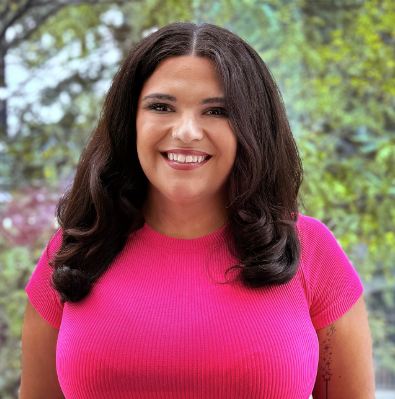
For photographer Wendy Random, that blessing can be found in the lowrider cars she photographs in California, New York, and around the world.
Born in Los Angeles, she grew up Catholic in Southern California, where Mexican culture and love of art were influential in her life.
“I love embracing my roots and where I’m from,” Random told The Tablet. “Being Mexican-American is beautiful.”
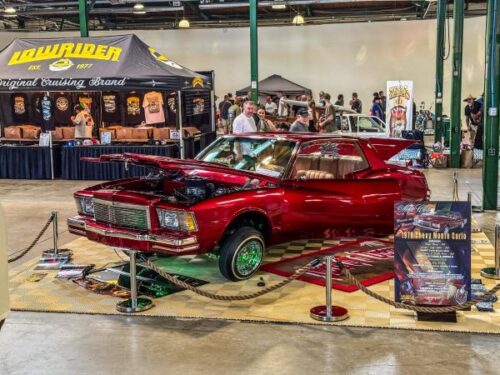
When she was a little girl, her older brothers introduced her to lowrider cars: customized sedans covered in jewel-toned paint, completed with lowered suspensions. The automotive art form originated in the Chicano neighborhoods of Los Angeles in the 1930s as a slower, lower alternative to American “Hot Rod” car culture. At the time, only men participated in the trend.
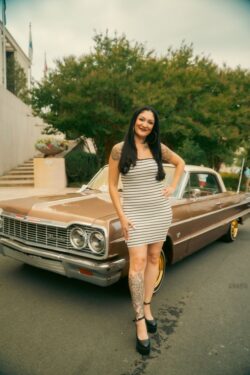
Over the years, lowriding has become bicoastal, developing into a political, cultural, and spiritual commentary on the lives of Latinos in the U.S. Today, women and men of all cultural backgrounds and religious beliefs can bring their cars into the candy-paint fold and give the art form a meaning that’s unique to them.
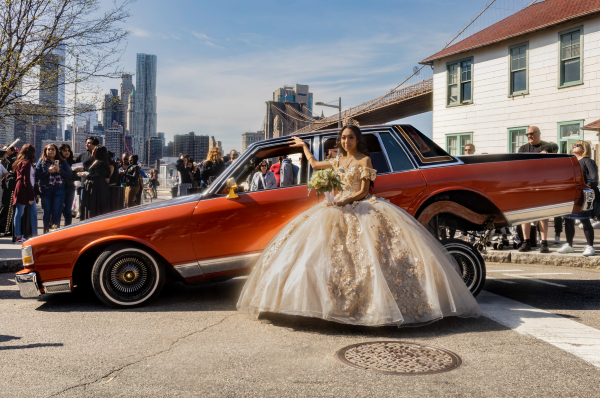
Modern-day versions can feature custom paint jobs ranging from murals of Aztec warriors to La Virgen de Guadalupe. They are also a popular form of transportation for special events, such as quinceañeras, and, upon request, a Catholic priest may even bless the custom cars.
“When something is very special to you, and if you’re Catholic, then people want to get their loved ones blessed,” Random explained. “And in this case, the car is the loved one.”
Currently, Random and her photos of lowriders are touring the states as part of a Smithsonian Museum exhibit entitled “Corazón y vida: Lowriding Culture,” which showcases the 80-year history of the movement.
“I just never knew that it would come to this kind of level,” Random said. ”By the time I got a little bit older, once I was able to move out of the house, I started traveling. I started documenting lowriders.”
Those travels brought Random to pre-pandemic Brooklyn in 2020, where the West Coast native found her niche as an East Coast lowrider car show organizer.
“It’s the only one of its kind where you actually see a lot of West Coast culture, but infused with some of these New York elements,” she explained. “That’s something I never imagined I would do.”
Random’s contribution to the Smithsonian exhibit includes photos from events she has organized in Brooklyn and Queens over the past five years. Some showcase cars from Drastic Auto Club, a New York City-based lowrider car club with a presence in all five boroughs.
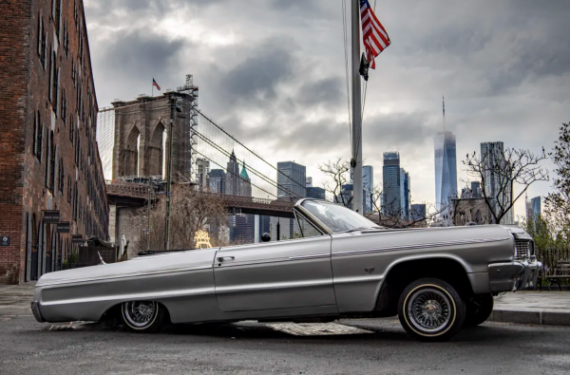
Marvin Shivnarain, the club’s co-founder and president, had his car photographed by Random. Although he is not Latino, Shivnarain told The Tablet that he understands the importance of a moment like this for someone like Random. He also noted how metropolitan life has contributed to the diversification of the modern-day lowrider culture.
“Most people don’t expect the West Indian to be the president of the club, but just like New York, our club is so blended,” Shivnarain said. “White, black, Spanish, West Indian, Mexican, Irish — we have so many different groups.”
While today’s lowriders and drivers may look different than those of the 1930s, many of the core influences remain. Shivnarain said he hopes that in the spring, members of his auto club can drive their cars out for a blessing.
“A pastor in Brooklyn, I kind of brought it up to him, would that be something he’d be interested in? It would kind of have to be non-denominational,” he explained. “Because there’s so many different religions.”