
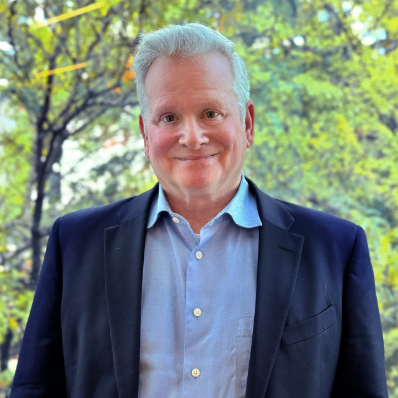

PROSPECT HEIGHTS — The bishops of Brooklyn and Columbus have come together to promote legislation that would prevent foreign-born priests and religious from having to disrupt their ministries in the U.S. due to changes in immigration rules.
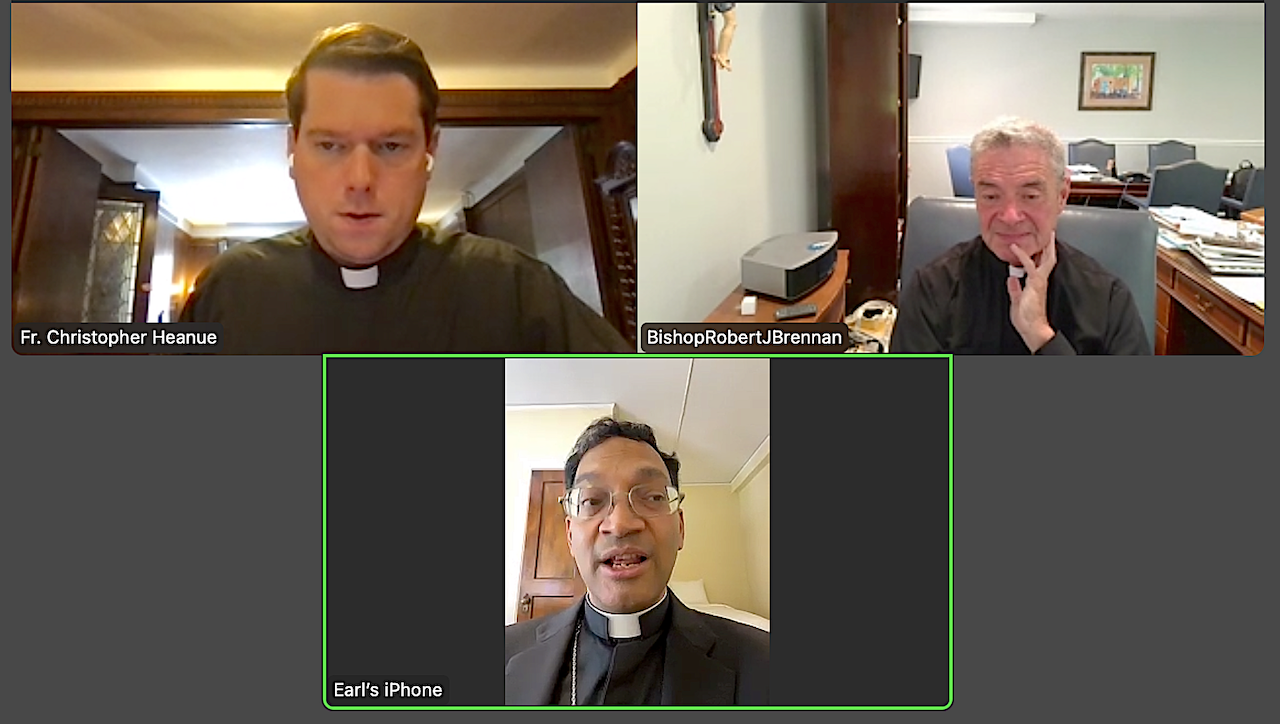
Bishop Robert Brennan welcomed to his podcast, “Big City Catholics,” his successor in the Diocese of Columbus — Bishop Earl Fernandes.
In the episode, which was recorded on June 30 and released on July 3, they called for the passage of the “Religious Workforce Protection Act.”
They discussed how the bill, known as the RWPA, would allow more flexibility for priests and religious brothers and sisters from other countries to obtain their green cards.
Parishes rely on these workers because of fewer local vocations. They also bring language skills and cultural experiences better suited to immigrant populations.
“I admire these priests,” Bishop Fernandes said. “These guys just want to preach the Gospel, and they want to be close to the people. It’s really beautiful to see.”
Since 2023, however, many foreign religious workers have had to leave the country for a year or more, as the U.S. Department of State faces a backlog in processing green card applications for religious workers. Experts have estimated that the backlog exceeds 30,000 applications.
“It is already affecting us greatly,” Bishop Brennan said. “And when you look at the horizon, the number of priests this would affect is large.”
Related: US Aims to Secure Green Cards for Clergy, Women Religious Amid Shortage
Approximately 6,600 foreign priests and 4,000 religious sisters are working in the U.S., according to the Center for Applied Research in the Apostolate (CARA) at Georgetown University.
According to Diocese of Brooklyn records, 136 of the local foreign-born priests are diocesan and 98 are non-incardinated. Meanwhile, records show that there are 63 foreign-born religious brothers and sisters in the diocese.
Bishop Brennan estimated that 15-20 local priests and religious will be in this situation over the next couple of years if their R-1 visas expire before they get their green cards.
Likewise, Bishop Fernandes said his diocese has 21 priests and 13 religious in the same situation. But RWPA can fix that, they agreed.
The act, if signed into law, would allow those already in the U.S. on an R-1 visa to stay for renewable three-year periods until they obtain their green cards.
The bill would also retroactively apply to those who have been forced to leave the country prior to its enactment.
Versions of the RWPA were introduced during the first week of April in the U.S. House of Representatives and Senate. As of June 30, these bills were under review in the judiciary committees of both chambers.
Bishop Fernandes, the son of immigrants from India, commented that RWPA would be “an easy fix” for the nation and an “easy win” for President Donald Trump.
“This isn’t going to cost the Trump administration anything. They’ve courted Catholics, Evangelicals, and so on,” he said. “Muslims and Jews also have their imams and rabbis who could benefit from the bill. Hindu priests are also happy. You don’t find someone who speaks ancient Sanskrit so easily.”
Bishop Fernandes said he learned RWPA already has bipartisan support in both chambers, unlike other immigration issues, which are drawing heated debate.
“We’re such a polarized society, it’s refreshing to see Republicans and Democrats coming together,” he said.
Still, he plans to meet later this summer with U.S. Rep. Jim Jordan, who is chairman of the House Judiciary Committee. Jordan also represents Ohio’s 4th Congressional District, parts of which are in the Diocese of Columbus.
Bishop Fernandes said he aims to promote RWPA’s advancement to the floors of both chambers for the votes needed for passage. He joined Bishop Brennan in urging parishioners to contact their representatives and senators to support the act.
“Sometimes people are skeptical of immigration policy. They ask, ‘Well, who are these people in our country?” Bishop Fernandes said. “But in the case of religious workers, we know exactly who they are, where they’re going to be living, and what their employment is.”
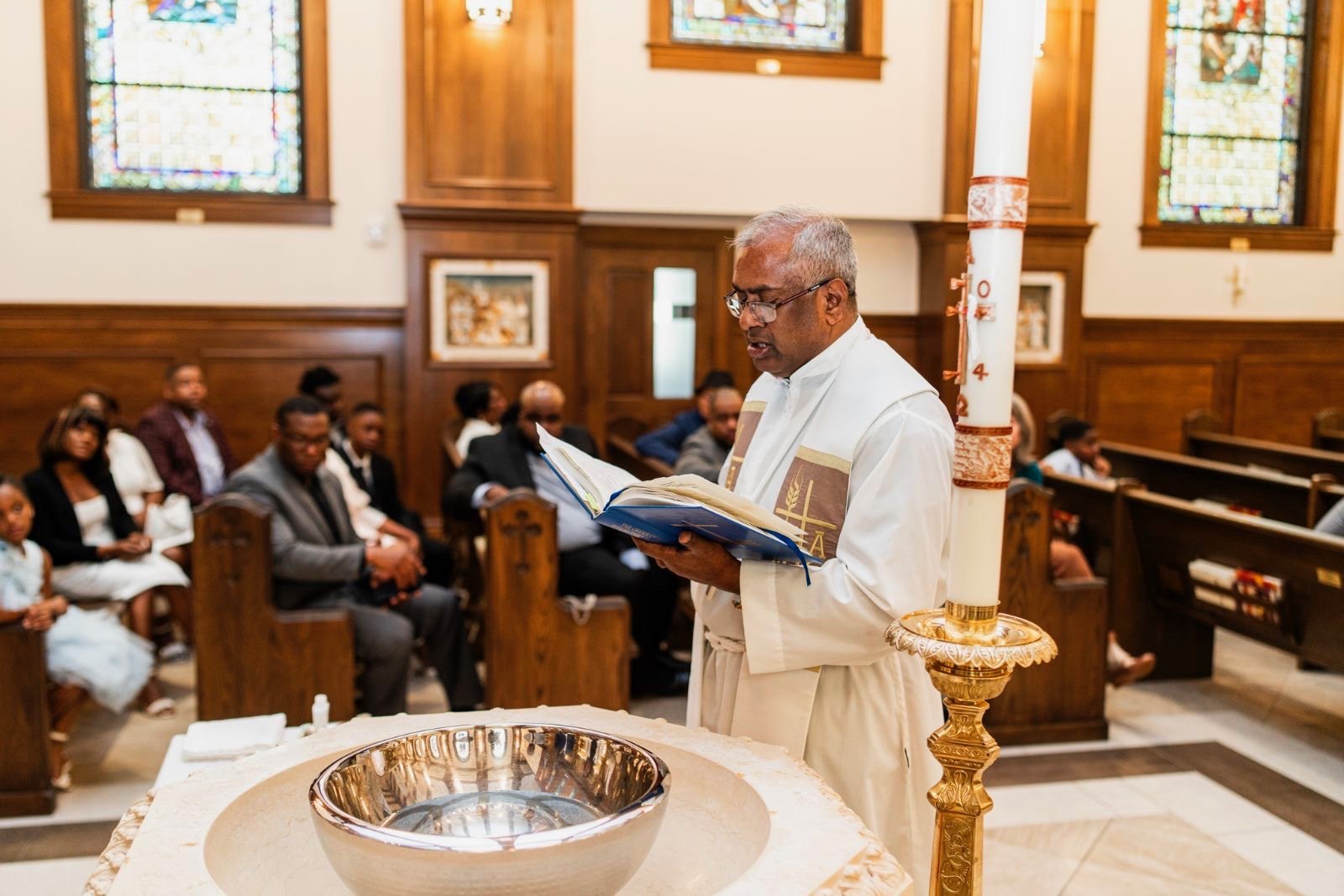
Bishop Fernandes also noted that they are not “bad-mouthing” the United States.
“They appreciate the freedom and the freedom of religion that we have,” he said. “They’re grateful to be able to be here because many of them are persecuted in their own countries.”
Bishop Brennan agreed that RWPA has potential, even as other immigration debates roil.
“A lot of people here in Brooklyn and Queens are saying, ‘Hey, what are you doing about this?’ ” Bishop Brennan said. “We want to see comprehensive immigration reform, and we’ll have a chance to talk about that again.
“But for now, this is one piece that we’re able to fix, and we really need to get it done.”