On this one-year anniversary of the election of President Donald Trump, The Tablet examines the ways in which the U.S. Catholic bishops have shifted their policy priorities over the past year and how immigration, in particular, has become a defining issue for the U.S. Church.
USCCB
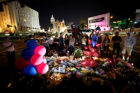
US Bishops Call For a National Debate on America’s Gun Policies
The U.S. bishops are calling for a national debate on America’s gun policies and renewing their support for a total ban on assault weapons. Their newly released statement comes just two days after America’s latest mass shooting, where a gunman killed 26 people during a church service in Sutherland Springs, Texas.
Cardinal Wuerl: Christians Are Called to Confront Racism
In a new pastoral letter released on Wednesday, Cardinal Donald Wuerl, Archbishop of Washington, D.C., called for a strengthening of the Church’s efforts to confront racism, labeling it a “divisive evil that leaves great harm in its wake.”
Cardinal Dolan Calls NYC Attack ‘Heinous,’ Cardinal DiNardo on NYC Attack
On Tuesday, Cardinal Timothy Dolan decried the ‘senseless’ violence in New York after an attacker drove into a bike path killing eight individuals and injuring a dozen more. Cardinal Dolan called on people to “work towards greater respect and understanding among all people so that heinous and evil acts like this become a thing of the past.”
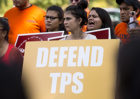
Catholics Back TPS to Avoid Family Break-Ups, Putting People At Risk
U.S. Catholic leaders are calling on the Trump administration to extend the Temporary Protected Status (TPS) program for foreign nationals who are living in the United States as a result of violence, natural disaster or other extraordinary circumstances.
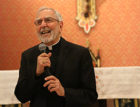
Vintage ‘Bernardin Bishop’ Says Pope Francis is Vindicating His Legacy
As Bishop Gerald Kicanas prepares to hand over the reigns of the diocese of Tucson, Arizona next month, he looks back on his 51 years as a priest and a Church that has dramatically changed since he was first ordained. In an interview with The Tablet, Kicanas laments the current polarization in the Church and says he hopes to see more “Francis-like actions” by the U.S. bishops.
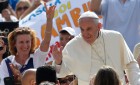
New Poll Finds Pope Francis Still Enjoys Widespread Popularity in US
Two years after his visit to the United States in September 2015, Pope Francis is still enjoying widespread approval in the country.
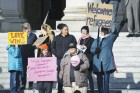
As Deadline For Refugee Ceiling Looms, US Church Backs Greater Welcome
President Trump has until Oct. 1 to set a deadline as to how many refugees the U.S. will allow this coming fiscal year. The president is reportedly looking to cap the number at 50,000. The USCCB is advocating to admit at least 75,000 refugees.
Fears of Anti-Catholic Bias Rise On Both Left and Right
In a judicial nominee hearing last week, Senator Diane Feinstein questioned whether the nominee’s adherence to Catholic teaching should prevent her from a federal appointment. Less than twenty-four hours later, former White House strategist Steve Bannon lambasted the Catholic bishops for their support for DACA. Some have wondered if the two incidents indicate an uptick in anti-Catholic bias in the United States.
Labor Day Statement Calls for Action at Time of Crisis and Opportunity
In his 2017 Labor Day statement, Bishop Frank J. Dewane of Venice, Florida, chairman of the U.S. bishops’ Committee on Domestic Justice and Human Development, calls for action based on a vision of work that supports the flourishing of the family, a clearer understanding on the nature of poverty, and solidarity with those on the margins of society.