
Leadership at the Catholic Benefits Association believes the U.S. Department of Health and Human Services will soon announce new regulations that may pose an existential threat to religious-based employers including Catholic hospitals.

Leadership at the Catholic Benefits Association believes the U.S. Department of Health and Human Services will soon announce new regulations that may pose an existential threat to religious-based employers including Catholic hospitals.
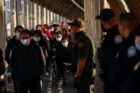
When Bishop Mark Seitz of El Paso got the news that the federal government will soon terminate Title 42, a controversial border policy, he said he began “thanking God.”
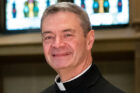
As a consultant to the U.S. Catholic Conference of Bishops’ Pro-Life Committee, I want to ensure the faithful are informed about a Committee initiative known as Walking with Moms in Need.
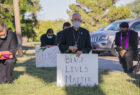
The Black Lives Matter movement is coming up to its 10th anniversary next year, so it’s hardly in its beginning stages.

Texas Catholic bishops joined a broad coalition of faith leaders, Latino organizations, anti-domestic violence groups and the Innocence Project in urging state leaders March 22 to commute the death sentence of Melissa Lucio and conduct a meaningful review of her case.
Bishop Mark Seitz of El Paso considers the process temporary religious worker visa recipients endure to maintain lawful status a “race against time” with federal processing backlogs making it difficult to satisfy different permissions and expiration dates.
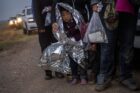
The current and incoming leaders on migration for the U.S. bishops expressed cautious optimism about a recent court decision mandating that migrants can’t be expelled to “places where they’ll be persecuted or tortured,” but dismay over another striking down protections for unaccompanied minors from immediate expulsion.
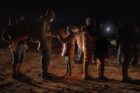
Representatives from the business sector, faith groups and grassroots organizations that support immigration reform sent Congress a letter March 2, a day after President Biden’s first State of the Union address, urging lawmakers to act on immigration because “simply put, the system is broken.”
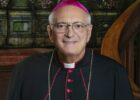
Recently, the border situation in Texas has prompted a number of lawsuits against the Diocese of Brownsville and its Catholic Charities.
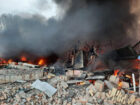
For some U.S. prelates, such as Bishop Robert J. Brennan of Brooklyn, New York, the Feb. 24 news of Russia’s invasion of Ukraine hit close to home.