A Catholic panel analyzing a path forward during moments of strife or of social sin said the only way to move ahead as a society toward healing is to recognize the damage done to a person or communities, to lay the truth out for everyone to see.
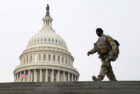
A Catholic panel analyzing a path forward during moments of strife or of social sin said the only way to move ahead as a society toward healing is to recognize the damage done to a person or communities, to lay the truth out for everyone to see.
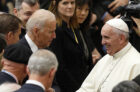
As the dust begins to settle from the tumultuous 2020 presidential election in America, it’s possible that if Biden finally prevails, outside his campaign team no group will emerge as bigger fans of the mail-in ballot than Pope Francis and his allies in the Vatican.
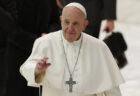
“A foolish consistency,” Ralph Waldo Emerson once famously wrote, “is the hobgoblin of little minds.” People and institutions of all sorts channel their inner Emerson all the time, invoking iron-clad principles when they’re convenient but finding loopholes when they’re not.
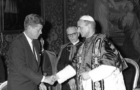
Being Catholic and a major party’s nominee for President of the United States has always been controversial. It has only occurred four times — including this year — and the reason for controversy has changed.
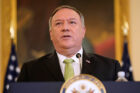
About 10 days before he was expected in Rome, U.S. Secretary of State Mike Pompeo tweeted that the Vatican “endangers its moral authority” by considering an extension of its 2018 agreement with China on the nomination of bishops.
During the Democratic presidential primary debates, most religion reporters tuned in to hear how candidates might discuss religion in an effort to win over people of faith.
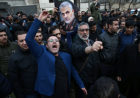
Catholic moral theologians are calling the killing of Iranian General Qasem Soleimani a violation of the just war tradition in a new statement released Jan. 20.
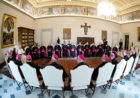
Sometimes the political choices people face can seem like a choice between supporting a “snake” or supporting a “dragon,” but Pope Francis told a group of U.S. bishops their job is to step back from partisan politics and help their faithful discern based on values, said Cardinal Daniel N. DiNardo of Galveston-Houston.