
A new report Dec. 16 by the Death Penalty Information Center said the use of capital punishment reached a historic low this year in the United States even with the return of federal executions by the Trump administration.

A new report Dec. 16 by the Death Penalty Information Center said the use of capital punishment reached a historic low this year in the United States even with the return of federal executions by the Trump administration.

The Supreme Court, which begins its new term Oct. 5, will be hearing oral arguments by teleconference, just as it did at the end of the last term, due to the coronavirus pandemic.
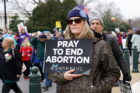
The U.S. Supreme Court is expected to soon rule on its first abortion case to be argued at the court since Justices Neil Gorsuch and Brett Kavanaugh were appointed to the Supreme Court by President Trump.

In one of the most anticipated cases of the term, the Supreme Court June 18 ruled against efforts by the Trump administration to end the Deferred Action for Childhood Arrivals program, known as DACA.

The chairmen of three U.S. bishops’ committees welcomed a final rule implemented by the Trump administration June 12 to restore “the long-standing position of the federal government that discrimination on the basis of ‘sex’ means just that and does not refer to ‘termination of pregnancy’ nor ‘gender identity.'”

The U.S. Supreme Court has left in place a preliminary injunction prohibiting the Trump administration from carrying out the first federal executions in 16 years.

The Trump administration has moved to cast aside an agreement that previously limited the amount of time the government could detain migrant children.

In a July 11 announcement from the Rose Garden, President Donald Trump said he was ending his efforts to add a citizenship question to the census and would instead direct federal agencies by executive order to provide data about the country’s citizens and noncitizens to the U.S. Commerce Department.
The Trump administration Feb. 22 finalized its “Protect Life Rule” preventing funds appropriated under the Title X Family Planning Program from being used in services that include abortion as a method of family planning.