After a massive fire triggered a deadly explosion in Beirut, Pope Francis called for prayers and a united effort to help Lebanon overcome “this serious crisis.”
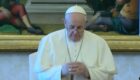
After a massive fire triggered a deadly explosion in Beirut, Pope Francis called for prayers and a united effort to help Lebanon overcome “this serious crisis.”
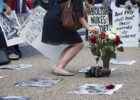
The path to true peace requires the world to abolish nuclear weapons, an American bishop and a Japanese archbishop said as the 75th anniversary of the atomic bombings at the end of World War II approached.
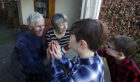
Pope Francis called on young people to reach out to their grandparents or the elderly who may be lonely or on their own. “Do not leave them by themselves,” he said after praying the Angelus with visitors in St. Peter’s Square July 26.
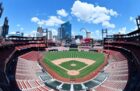
Tomorrow is Opening Day of the COVID-shortened Major League Baseball season, and, like all red-blooded Americans, that has me thinking about fantasy drafts. If you’ve never played before, the idea is simple: You and a bunch of other people draft players to form a team, then track their statistical performance throughout the season. Whichever team has the best stats, wins.
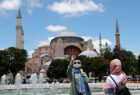
After receiving sharp criticism in recent days for not speaking out about protests in Hong Kong and the recent decision to revert Turkey’s famed Hagia Sophia from a museum into a mosque, Pope Francis broke his silence on the latter July 12, calling himself “pained” by the decision.
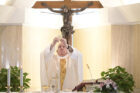
Decrying the unimaginable “hell” migrants experience in detention centers, Pope Francis urged all Christians to examine how they do or don’t help — as Jesus commanded — the people God has placed in their path.
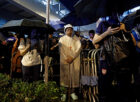
In a nutshell, commentators and news outlets known to be critical of Pope Francis are styling the omission as the latest chapter in what they see as the Vatican’s appeasement of China and its Communist leadership, generally linking it to a deal signed two years ago and shortly up for review that afforded Chinese authorities a role in the nomination of Catholic bishops.
Pope Francis on June 19 advanced the sainthood causes of a handful of figures who, at first glance, might seem relevant only to small pockets within the Catholic Church.
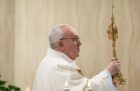
On the feast of Corpus Christi, Pope Francis said the Eucharist can heal bad memories that prevent people from being open and accepting God’s love, including memories of past mistakes, of wrongs endured and wounds, making the heart hard and indifferent.
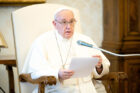
Observing with great concern the social unrest unfolding in the United States, Pope Francis said no one can claim to defend the sanctity of every human life while turning a blind eye to racism and exclusion.