
Caring for all of God’s creation is the theme of Pope Francis’ recent encyclical “Laudato si’.” It’s also been at the heart of a farming project conducted for the past 20 years by the Sisters of St. Dominic at their motherhouse in Amityville, L.I.
Pope Francis
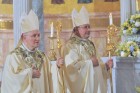
Ordination for Two New Auxiliary Bishops
Two diocesan priests with years of institutional and pastoral experience were ordained auxiliary bishops to serve Brooklyn and Queens at St. Joseph’s Co-Cathedral, Prospect Heights, July 20. It was the first episcopal ordination held at the site.

Trip Offers Insights on How to Greet the Pope
People make special preparations for welcoming a special guest, and watching what worked and did not work in Ecuador, Bolivia and Paraguay may help people preparing for Pope Francis’ visit to the U.S. in September.

Father Barron Is Named A Bishop in Los Angeles
Pope Francis has named three auxiliary bishops for the Archdiocese of Los Angeles and accepted the resignation of Auxiliary Bishop Gerald E. Wilkerson, 75.
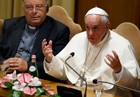
Pope Urges Mayors to Fight Climate Change
After decades of world leaders trying to set global goals to address climate change and extreme poverty, city mayors gathered at the Vatican to pledge they will take real action.
Vatican Welcomes Nuclear Deal with Iran
VATICAN CITY (CNS) – The Holy See welcomed Iran’s historic nuclear deal and expressed hopes that more future breakthroughs be on the horizon on other issues.
Pope to Study Economy Before Coming to US
Before arriving in the U.S. in September, Pope Francis said, he will study American criticisms of his critiques of the global economy and finance.

Papal Visits Emphasize Poor, Forgotten
Pope Francis did not call for an end to capitalism, but for an end to selfishness, exclusion and an attitude that sees the “unproductive” – whether they are unemployed, elderly or the unborn – as disposable.
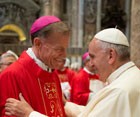
Pope to Bishops: Be Not Afraid to Be Persecuted
The Church wants pastors who are unafraid of persecution, are angels of hope and charity and are convincing witnesses with a life rooted in prayer and the Gospel, Pope Francis told new archbishops.
Vatican Issues Itinerary For Pope’s Visit to US
Pope Francis will take his vision of a Catholic’s approach to family life, parish life, charity, economics, immigration and good governance to Cuba and the United States during a Sept. 19-27 visit.