On the second day of the conclave, after white smoke billowed from the chimney of the Sistine Chapel, Americans in Rome reacted with shock, delight and questions at the realization that the new pope – Pope Leo XIV – was a fellow American.
On the second day of the conclave, after white smoke billowed from the chimney of the Sistine Chapel, Americans in Rome reacted with shock, delight and questions at the realization that the new pope – Pope Leo XIV – was a fellow American.
Hours after Pope Leo XIV presented himself to the world for the first time, the American bishops offered prayers to the new pontiff, and said that they “rejoice that a son of this nation has been chosen by the cardinals.”
Cardinal Robert F. Prevost, the Chicago-born prefect of the Dicastery for Bishops under Pope Francis, was elected the 267th pope May 8 and took the name Pope Leo XIV.
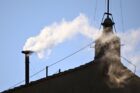
White smoke has emerged from the chimney of the Sistine Chapel, signaling that the papal conclave has chosen the next successor of St. Peter. What happens after the College of Cardinals elects a new pope?
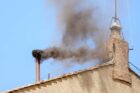
The 133 cardinals who entered the conclave failed to reach a two-thirds supermajority of at least 89 votes to elect a new pope during their morning session May 8.
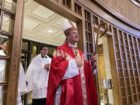
Bishop Robert Brennan celebrated Mass on May 7 at the Immaculate Conception Center in Douglaston to celebrate the start of the conclave in Rome that will lead to the election of a new pope.
Following the passing of Pope Francis, interest in the 2024 film Conclave has soared, with a reported viewership spike of over 250% in the 24 hours after his death, according to data analytics firm Luminate.

The 133 cardinals who entered the conclave in the Sistine Chapel May 7 failed to elect the next pope on their first ballot.
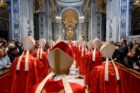
Before entering the conclave to elect the next pope, cardinals gathered for a solemn Mass in St. Peter’s Basilica, where Cardinal Giovanni Battista Re urged them to choose a shepherd guided by love, unity, and the needs of a world in crisis.
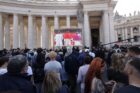
As the conclave begins in Vatican City, tourists, locals, and Vatican employees navigate roadblocks, museum closures, and mobile signal shutdowns — all part of the strict measures to ensure secrecy in the election of the next pope.