
The Biden administration announced April 27 new steps it would take in an effort to reduce migrant arrivals at the U.S.-Mexico border when Title 42 expires in May.

The Biden administration announced April 27 new steps it would take in an effort to reduce migrant arrivals at the U.S.-Mexico border when Title 42 expires in May.
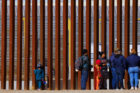
With changes in U.S.-Mexico border policies on the horizon, Bishop Mark Seitz of El Paso acknowledged on April 24 that uncertainty remains around what will happen, but a “significant” migration surge is likely, and help is welcome.
Catholic leaders joined immigration advocates and representatives from other faiths on March 21 to protest at the U.S-Mexico border in Arizona, in front of the White House in Washington, and other locations around the country, speaking out against ongoing asylum restrictions at the U.S. border.

At least 63 migrants died Feb. 26 when the wooden boat carrying them — in a storm with high waves and strong winds — broke apart after crashing against rocks along the coast of Calabria in southern Italy.

Catholic organizations applauded the announcement Jan. 19 of a new State Department program that allows groups of private individuals to directly support refugees resettling in the U.S.

While new border measures from President Joe Biden’s Administration expand legal pathways for migrants to enter the country, the U.S. bishops’ chair on migration warns they also simultaneously expand expulsions — which, he said, isn’t really progress.

President Joe Biden said Jan. 4 he plans to visit the U.S.-Mexico border, which would be the first visit to the border of his presidency, when he travels to Mexico next week.

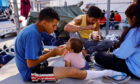
St. Michael-St. Malachy Parish has been helping migrants since August, providing the newcomers with food, clothing and just as important — friendship.

Catholic immigration advocates are emphasizing that the Oct. 5 ruling by a federal appeals court — finding the Deferred Action for Childhood Arrivals program is unlawful — sends another signal that permanent legislation is needed to protect young immigrants from deportation and put them on a path to U.S. citizenship.

The Supreme Court begins its new term Oct. 3, jumping right back into the fray with cases that take on affirmative action, voting, immigration, the environment and freedom of speech.