
St. John’s University students taught Brooklyn high schoolers how to use artificial intelligence ethically while keeping the human element at the center.

St. John’s University students taught Brooklyn high schoolers how to use artificial intelligence ethically while keeping the human element at the center.
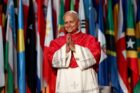
Speaking Sept. 25 at UNESCO headquarters in Paris during the first papal visit to the organization in 46 years, the pope said that while machines are now described as “intelligent,” society is struggling to recognize the inherent worth of every human person.

While Pope Leo’s first encyclical, “Magnifica Humanitas,” is less than a month old, it’s already somewhat clear where the American bishops stand and how they will approach advocacy on the topic of Artificial Intelligence going forward.

Bishop Robert Brennan honored all U.S. service members who died in war and commented on Pope Leo XIV’s new encyclical on artificial intelligence, May 25 during a Memorial Day field Mass.

What does it mean to safeguard our humanity? That question is at the heart of Pope Leo XIV’s much anticipated first encyclical,

Pope Leo XIV’s first encyclical, “Magnifica Humanitas,” will be published May 25, addressing artificial intelligence and the protection of human dignity, the Vatican has announced.

As the Church grapples with the rise of artificial intelligence and it’s use among the faithful, and clergy alike, Bishop Robert Brennan has raised concerns about the potential impacts.
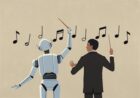
AI Christian music artist Solomon Ray has over 300,000 monthly listeners on Spotify and has also scored a chart-topping Christian album.
Pope Leo XIV has been named to Time magazine’s “Time 100 AI” list for 2025, recognized as one of the world’s top “thinkers” shaping how humanity confronts artificial intelligence.

Colleges and universities — including those affiliated with the Catholic Church — are working to navigate on the ever-expanding landscape of artificial intelligence.