
Every year, on April 24, Armenians honor as many as 1.5 million ethnic Armenians who were killed by Ottoman Turk soldiers between 1915 and 1923 during the breakup of the Ottoman Empire.
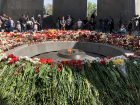
Every year, on April 24, Armenians honor as many as 1.5 million ethnic Armenians who were killed by Ottoman Turk soldiers between 1915 and 1923 during the breakup of the Ottoman Empire.
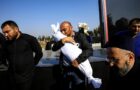
Members of the Armenian community in Brooklyn criticize a recent ceasefire agreement between Armenia and neighboring Azerbaijan in a decades-old dispute over the mountainous region called Nagorno-Karabakh. They said the deal brokered by Russia lets Azeris keep control over land they seized when fighting resumed n late September. They also worry that unresolved issues might cause warfare to start up again.

The formal recognition that Turkey committed genocide against the Armenian people during the last years of the Ottoman Empire is important because it could pave the way for reparations, according to Vera Yacoubian, director of the Armenian National Committee of the Middle East Office.
Once again, Pope Francis’ in-flight press conferences grab the attention of the entire world, Catholics and non-Catholics alike. After a unique apostolic voyage to Armenia, having strengthened ties with the Orthodox Church, the pope was asked to weigh in on a number of questions. As usual, our Holy Father answered with supreme honesty and pastoral care.
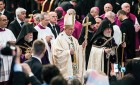
Commemorating the 100th anniversary of the Armenian genocide, Pope Francis said atrocities from the past have to be recognized — not hidden or denied — for true reconciliation and healing to come to the world.
Pope Francis has shown brave witness at the Mass he celebrated in the Armenian Rite when he called the systematic slaughter of Armenian Christians “the first genocide of the twentieth century” and connected the Armenian genocide to the persecutions and murders of Christians today throughout the Middle East.