
The Church’s custom of reading virtually all of the Acts of the Apostles at daily Mass during the Easter season struck me as particularly apt this year, and for three reasons.
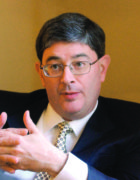
The Church’s custom of reading virtually all of the Acts of the Apostles at daily Mass during the Easter season struck me as particularly apt this year, and for three reasons.
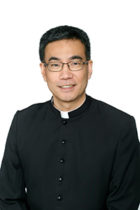
One could say I was living the American Dream. I had a sizeable house in a good neighborhood, a respectable job paying a healthy salary and prospects for continued career advancement. The problem was a sense of incompleteness; a realization that there was something important missing in my life, a hole in my heart.
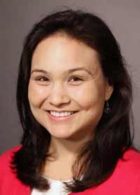
THE CATHOLIC CHURCH’S teaching on responsible parenthood is often overlooked, or simply unknown.

I STOOD AT the desk in my college apartment, holding a box of birth control pills. As I read the instructions, the lengthy list of side effects made me hesitate.
WITH HUNDREDS OF bishops coming to the Vatican in October 2001 for a Synod, I decided to spend that month in Rome conducting interviews for what would eventually become the sequel to “Witness to Hope” and the second volume of my John Paul II biography, “The End and the Beginning.”
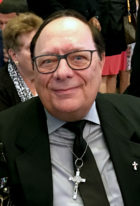
WHEN I WAS in grammar school, I felt a calling. I spoke to my parents and the nuns at school and my pastor. I felt that I needed to be with God.
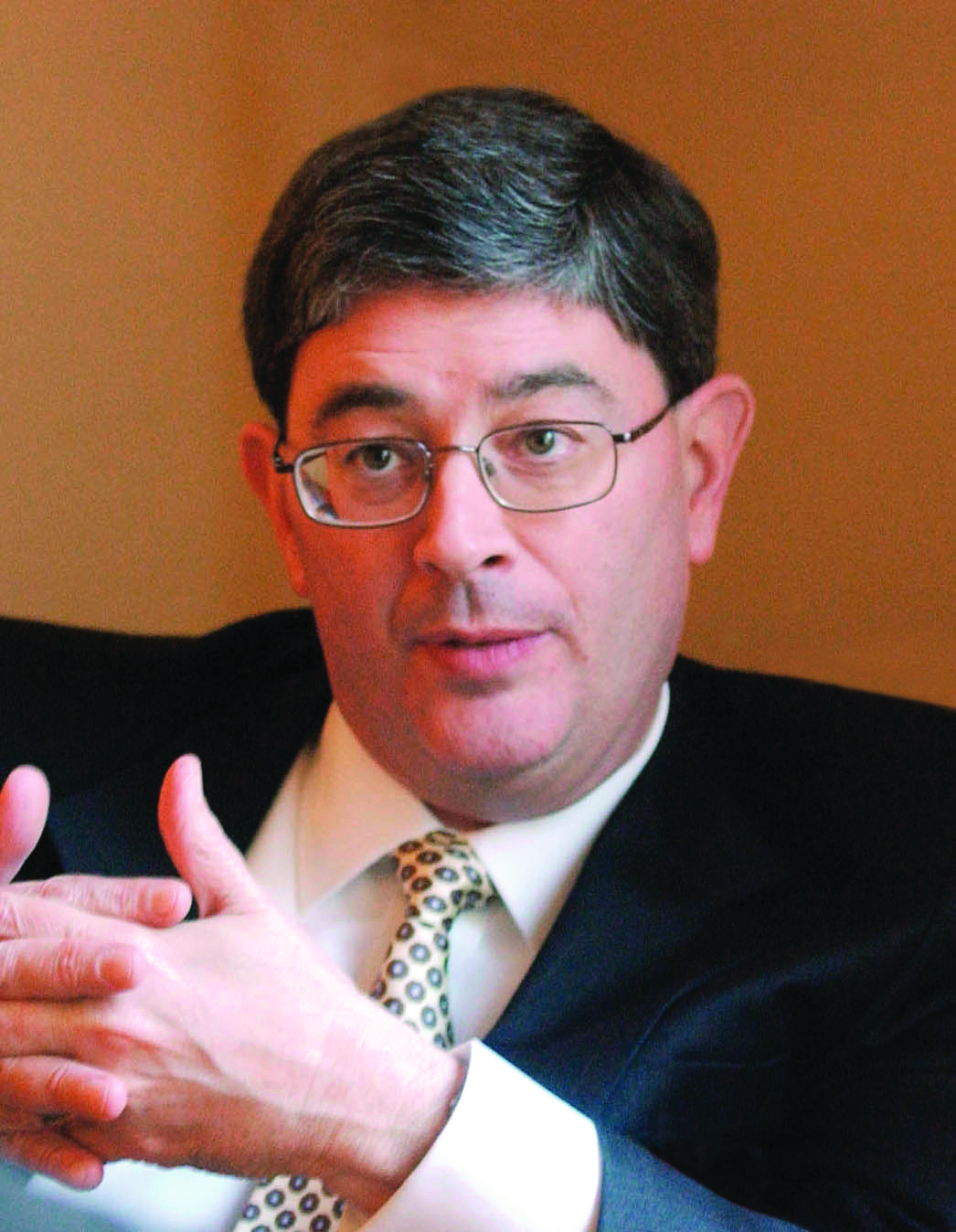
I WASN’T SURPRISED by the result of Ireland’s May 25 referendum, which opened a path to legal abortion in the Emerald Isle by striking down a pro-life amendment to the Irish Constitution.
WHEN PLANE HIJACKING became a national threat, we immediately addressed the problem by upgrading preventive measures at our airports: X-ray surveillance, body searches, luggage inspections.
Many men today are redefining what it means to be a father. They are intimately involved in the raising of children and the responsibilities of family life, navigating the competing demands of work and home with love. How can we as a Church support their callings? What sources of inspiration in our Catholic tradition offer ways to honor fathers?
BORN INTO a peasant family in a rural area of Central Vietnam, I am the second of five children. Growing up, I had to work very hard as a farmer.