
The Vatican is a hotbed of rumor, gossip and speculation at the best of times — and these times are not those times. The Roman atmosphere at the beginning of 2019 is typically fetid and sometimes poisonous, with a lot of misinformation and disinformation floating around. That smog of fallacy and fiction could damage February’s global gathering of bishops, called by the pope to address the abuse crisis that is impeding the Church’s evangelical mission virtually everywhere.
Guest Columnists
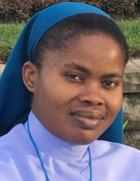
Faith or Fear? Finding The Path to Peace
by Sister Lois Okpara, D.D.L.
IN OUR JOURNEY of faith, we need to get our minds rightly set by allowing God His rightful place in our lives.
Soho Pilgrimage: A Christmas Meditation
To be a pilgrim is to be going somewhere. That somewhere is the Kingdom come among us at Christmas, and coming again in power and glory. The St. Patrick’s Advent Mission procession invited an aggressively secular and sometimes sordid part of London to join that journey to beatitude.

Focus on Others for a More Peaceful 2019
No matter where we look, peace is a rare commodity. How then can the new year be more peaceful?

Extra! Extra! Can You Read All About It?
by Greg Erlandson
Fifty-three journalists were killed worldwide in 2018. Some died in war, but a shocking number died exposing corruption, covering protests or just doing their job. Time magazine called them and their harassed and persecuted colleagues “Guardians” of truth, and named them collectively “Person of the Year.”

Christmas Crowds Are Good News
QUICK REMINDER FOR those of us who attend Mass regularly. Many people are going to join us on Dec. 24 and 25 who don’t normally come to church. They will take our parking spots, our usual pews, our hymnals and our coat hooks.
What fantastic news!
Why 42 Had to Be Impeached 20 Years Ago
TWENTY YEARS AGO this month, I found myself seriously double-booked, so to speak.

The Advent of Christmas
IN THE LINER notes of an album, musicians usually thank their colleagues, staff, and family for their talent and support. But on the back cover of Grammy nominee Matt Maher’s new record “The Advent of Christmas,” the singer-songwriter expresses an unusual sentiment of gratitude: “Thanks to the red cardinal that kept showing up during the making of this record.”
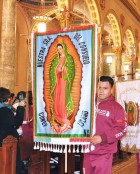
A Christmas Prelude
This time of year, we reflect on one Marian visitation unique to the western hemisphere and to the Americas – Our Lady of Guadalupe. … Perhaps now is the time for the Americas to revisit the Blessed Mother’s message.

Advent – An Invitation To Practice Hospitality
Yes, as we go through life waiting for history’s final moment, we have a responsibility to welcome one another, to take care of each other, especially those who are most vulnerable. They are the face of Jesus Christ among us.