
For months now, I have been receiving alarming, early-morning text messages from Major-Archbishop Sviatoslav Shevchuk of Kyiv-Halyč, leader of the Ukrainian Greek Catholic Church. But Kyiv shouldn’t have to take it.
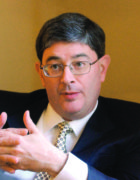
For months now, I have been receiving alarming, early-morning text messages from Major-Archbishop Sviatoslav Shevchuk of Kyiv-Halyč, leader of the Ukrainian Greek Catholic Church. But Kyiv shouldn’t have to take it.

When my husband and I had been married all of three months, we signed up to become a team couple with our local Engaged Encounter program. Later, I would come to know the need for both peers and mentors on any vocational journey.
Duty requires me to note what’s wrong with soccer (a.k.a. “football”) in general and the FIFA World Cup in particular.
Robert Louis Wilken — radical Christian disciple, devoted husband and father, distinguished patristics scholar, elegant writer, serious baseball guy — died on June 6, a few months short of age 90.
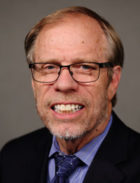
The lessons we learn from suffering, loss, and disappointments are essential to what it means to be human.
As we thank God for the gift of the U.S., let us remind ourselves and each other that freedom is not license and is never free.

Untangling the Society of St. Pius X conundrum would likely benefit from a synodal solution, as Pope Leo XIV has offered.
The Holy See has declared that, if the Society of St. Pius X (SSPX) proceeds with the ordination of bishops in July without a papal mandate, those involved in these illicit ordinations are automatically (“latae sententiae”) excommunicated — that is, excommunicated by their own acts.
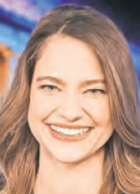
My husband and I were traveling through the Adirondack Mountains in upstate New York when we began reading Pope Leo XIV’s new encyclical
addressing artificial intelligence.
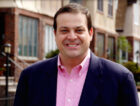
Allowing the crucifix as an approved emblem on a headstone would give families of Catholic veterans a deeper sense of peace and comfort when they entrust their loved ones to the Lord’s care.