
Abortion bans failed in Nebraska and South Carolina, two Republican-led states, in the final week of April following a successful effort in North Dakota.

Abortion bans failed in Nebraska and South Carolina, two Republican-led states, in the final week of April following a successful effort in North Dakota.
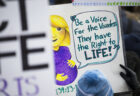
Lawmakers in the Kansas Legislature voted April 26 to override Democratic Gov. Laura Kelly’s veto of a “born-alive infants protection act.”

A six-week abortion ban signed into law April 24 by North Dakota’s Republican governor, Doug Burgum, is being hailed by the state’s Catholic bishops as an “important step toward making the state a sanctuary for life.”

After its defense of a state law limiting abortion made its way to the U.S. Supreme Court, resulting in the court’s subsequent decision to overturn Roe v. Wade in June, Mississippi passed a package of bills that state officials said demonstrate creating a safety net for both mothers and babies.

The U.S. Supreme Court said it would extend the administrative stay in the abortion pill dispute until April 21, temporarily keeping in place status quo federal regulations regarding the use of an abortion drug, and giving the court additional time to consider a lower court’s ruling to stay the U.S. Food and Drug Administration’s approval of the drug.
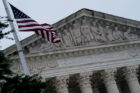
The U.S. Supreme Court said April 14 it would temporarily keep in place status quo federal regulations regarding the use of an abortion drug, giving the court additional time to consider a lower court’s ruling to stay the U.S. Food and Drug Administration’s approval of the drug.

Florida lawmakers and the state’s Gov. Ron DeSantis, who is widely expected to launch his bid for the Republican presidential nomination soon, approved a bill April 13 to ban abortions after six weeks.

Idaho Republican Gov. Brad Little signed into law on April 5 legislation that makes it illegal for an adult to help a minor get an abortion without parental consent — the first measure of its kind in the country.
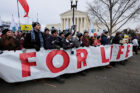
An annual Good Friday pro-life prayer vigil that takes place in locations across the country will continue post-Roe, organizers said.
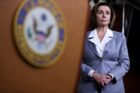
San Francisco Archbishop Salvatore Cordileone responded to comments made by former U.S. House Speaker Nancy Pelosi on March 23 in which the Catholic Democrat, who represents San Francisco in Congress, defended her public position on abortion.