The Supreme Court June 28 rejected a constitutional challenge to an ordinance adopted by Grants Pass, Oregon, prohibiting public camping within city limits that critics said unfairly punished people who are experiencing homelessness.
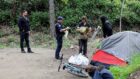
The Supreme Court June 28 rejected a constitutional challenge to an ordinance adopted by Grants Pass, Oregon, prohibiting public camping within city limits that critics said unfairly punished people who are experiencing homelessness.
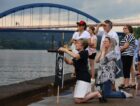
With less than a month to go, more than 40,000 Catholics have registered for the National Eucharistic Congress, the pinnacle of the U.S. bishops’ National Eucharistic Revival. Organizers expect the July 17-21 congress, held in Indianapolis, to be a watershed moment, igniting American Catholics’ belief in and devotion to Jesus’ real presence in the Eucharist. Here are six things to expect.
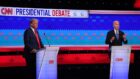
The first presidential debate on June 27 in Atlanta between President Joe Biden and former President Donald Trump turned to the topic of abortion about 15 minutes into the hour and a half discussion.
The Supreme Court June 26 ruled in favor of the Biden administration in a dispute with Republican-led states over the government’s effort to restrict misinformation on social media on topics including COVID-19.
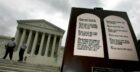
Less than a week after the Louisiana governor signed a bill into law requiring all public school classrooms in the state to display the Ten Commandments, civil liberties groups representing parents of Louisiana schoolchildren from different religious backgrounds filed a lawsuit against it, calling it unconstitutional.
The U.S. Supreme Court on June 27 formally dismissed an appeal over Idaho’s strict abortion ban to allow emergency room doctors in the state to perform abortions.
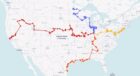
The United States’ first event of its kind in more than half a century, the National Eucharistic Congress is expected to draw more than 40,000 Catholics July 17-21 for five days of prayer, speakers, liturgies and worship, all entered on Jesus in the Eucharist.
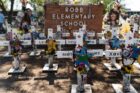
The U.S. surgeon general June 25 issued an advisory declaring gun violence a public health emergency, citing “the urgent threat firearm violence poses to the health and well-being of our country.”
Oklahoma’s Supreme Court on June 25 rejected a proposed Catholic charter school that would have been the first publicly funded religious school in the country.

In late June, Montana organizers had collected enough signatures to advance a ballot initiative to expand abortion access in the state although officials still need to verify the signatures and the secretary of state’s office must certify the measure before it is placed on the November ballot.