
Who knew the Day of the Dead could be so much fun? The Mexican method of observing All Souls’ Day, Nov. 2, is the backdrop for “The Book of Life” (Fox), an entertaining and visually stunning 3-D animated film.

Who knew the Day of the Dead could be so much fun? The Mexican method of observing All Souls’ Day, Nov. 2, is the backdrop for “The Book of Life” (Fox), an entertaining and visually stunning 3-D animated film.
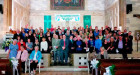
Holy Innocents is proof that you can go home to your roots. The East Flatbush parish celebrated its homecoming weekend, Oct. 10-12, by welcoming back over 200 school alumni from 1941 to 2006. Other alumni events have proved to be successful, but this gathering was the most successful in recent history.
“After this I had a vision of a great multitude, which no one could count, from every nation, race, people, and tongue. They stood before the throne and before the Lamb … These are the ones who have survived the time of great distress … They will not hunger or thirst anymore … For the Lamb who is in the center of the throne will shepherd them and lead them to springs of life-giving water, and God will wipe away every tear from their eyes.”
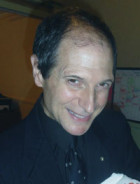
My good friend, Father Benedict J. Groeschel, C.F.R., died Oct. 3 on the same date as St. Francis of Assisi, after praying a rosary. He was a renowned Christian retreat director, author, preacher, teacher, counselor and guide to many. He was perhaps the most well-known priest in the U.S. It was my privilege to call him co-founder of Good Counsel Homes as well as my spiritual director and friend.
When you think about it, faith and trust go hand in hand. People believe in the power of prayer because they believe they see results. They pray for strength to get through a challenge, and then they find the strength to overcome that obstacle.
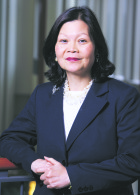
This year marks a big “birthday” for me and a group of classmates. Over the years, we have been having class reunions across the globe, wherever we are scattered. Many of us went to school together from first to 12th grade at the Maryknoll Sisters School in Hong Kong.
It’s sometimes hard to tell at this time of year, but there is more going on at Notre Dame than football. Spirited debate continues about the university’s Catholic identity and what that means for everything from curriculum and faculty hiring to the campus’ master plan.
Feelings about two important news stories of the past few weeks can be described with one word, but it’s not the word most people are using.
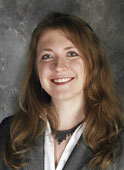
When I was a kid, “sharing” meant splitting your lunch sandwich with a friend or sharing a book or toy. Today, “sharing” usually means writing a status update on Facebook, posting an Instagram photo or talking via Snapchat.
Pope Francis has called a special session of the Synod of Bishops, which will meet from Oct. 5-19 and prepare the agenda for the ordinary session of the Synod that is scheduled for the fall of 2015; both sessions will focus on the family.