
Some suggestions for Christmas giving, in the form of books that amuse, inspire, educate or all-of-the-above.
Guest Columnists
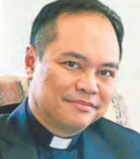
Nativity Mystery Through The Eyes Of St. Joseph
Early in December, we will be closing the Year of St. Joseph. Just like so many partings, we may find ourselves with mixed emotions. One thing is for sure: This year of grace has blessed the Church and has enriched many lives spiritually. It also has fostered more devotion to the Patron of the Universal Church and the Master of Interior Life.
On Being Thankful for America at Thanksgiving
This Thanksgiving, no one living in the United States should be anything but profoundly grateful for the privilege of living in this country. No one.
Catholic Progressives And the Culture War
The culture war defining much of contemporary public life throughout the western world comes in two forms.
U.S. Bishops, Officials, Media: Communion Clarity Needed
The confusions originating from online Catholic sources and social media have been exacerbated by a mainstream press that has consistently misrepresented what the bishops are doing. I hope the following clarifications are useful.
On St. John Paul II’s 75th Anniversary
By any worldly measure, 1946 was an annus horribilis in Poland. With the exceptions of Cracow and Lodz, every Polish city lay in ruins. The homeless and displaced numbered in the millions. As a ruthless Stalinism tightened its grip on a country that had been doubly decimated during World War II, heroes of the anti-Nazi resistance were executed on spurious charges by Poland’s new communist overlords.
Synod Invitations: Come Listen, Come Speak
What I have seen so far on this “Synod on Synodality” is a symphony of surprises. The first surprise for me is the topic itself. “Synodality” is a new term not even registered yet in dictionaries.
A Shanksville Meditation: On 9/11, Dignity Soared
The most moving feature of the Flight 93 National Memorial in Shanksville, Pennsylvania, are the pictures of the 40 brave men and women who lost their lives on September 11, 2001, while preventing al-Qaeda terrorists from destroying the U.S. Capitol.
The Pope, ‘Estranged’ Catholics, Holy Communion
Certain Catholic media platforms that often function as de facto extensions of Jen Psaki’s White House press office have continually urged U.S. bishops to dodge the issue of pro-abortion Catholic politicians receiving holy Communion.
Colleges Loyal to Faith Outpace ‘Prestige’ Schools
Some years ago, a Catholic prep school invited me to address its parents’ association on the future of Catholic education.