
VIDEO: Army Veteran Battling ALS Finds Faith in Experimental Treatment
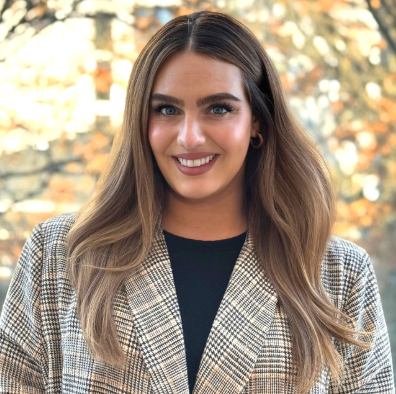
UPTOWN — Sean McCann thrives in routine.
As an Army veteran, it’s something he can’t quite shake. But recently routine has become ritual. Every night before dinner his mom Sue comes and blesses him with holy water from Lourdes. She has been doing it ever since McCann was diagnosed with amyotrophic lateral sclerosis, or ALS, also known as Lou Gehrig’s disease.
“It’s our thing,” McCann said. “I will say that since she’s been doing it, I really haven’t gotten much worse. You know, do with that with the will. But it’s been pretty great.”
“I’ve wanted to take Sean to Lourdes since this diagnosis. So I feel that this holy water, even though we can’t be there, we are there,” Sue Karpinski-Glynn said.
McCann’s life used to, and in many ways still revolves around what he physically can and cannot do. A marathon-running personal trainer whose passion for music and travel has brought him on tour across the globe. Today his body’s challenges are not his choice.
“Getting dressed, cutting my food, opening up a can, I can’t tie my shoes anymore,” he said. “I think I’ve accepted a bunch of things that I’m never going to be able to play music and never going to be able to run again, exercise, do all the things that I love, go hiking.”
ALS is fatal, with an average life expectancy of 3 to 5 years from the onset of symptoms; however, McCann is anything but average.
At Columbia University’s Eleanor and Lou Gehrig ALS Center, Dr. Neil Shneider and his team are giving McCann something many ALS patients will never have — a shot at stopping the disease in its tracks.
“If you go after the right target with the right drug early enough, we can make a real difference,” Shneider said. “Slowing the rate of decline, stopping progression and even dare we hope achieving some degree of functional recovery.”
The treatment involves taking McCann’s own DNA from lumbar punctures, manipulating it and injecting it back into him every three months. On Nov. 17 he received his fifth and largest dose yet.
“I am the first person to ever have this for my specific gene mutation,” McCann said. “And right now my medicine is only applicable to me. But the goal is in the future to be able to piggyback off of other people’s technology.”
“I think by the third shot, he had movement that I haven’t seen in a while. I feel that there’s a lot of hope there,” Karpinski-Glynn said.
So every night when this blessing comes, it is more than holy water.
“Any function back is a miracle, anything not getting worse is a miracle,” he said.
It is a mother’s undying love, a son’s brave and stubborn battle and a quiet declaration that the fight isn’t over.